Religion and Beliefs of Sanxingdui: Unveiling Ancient Spiritual Practices
The Sanxingdui Ruins provide invaluable insights into the religious and ceremonial life of the Shu civilization. Through bronze masks, altars, and ritual artifacts, archaeologists have reconstructed the spiritual worldview of this enigmatic culture, revealing their beliefs, sacred ceremonies, and how religion shaped social and cultural life in Bronze Age Sichuan.
Religion & Beliefs
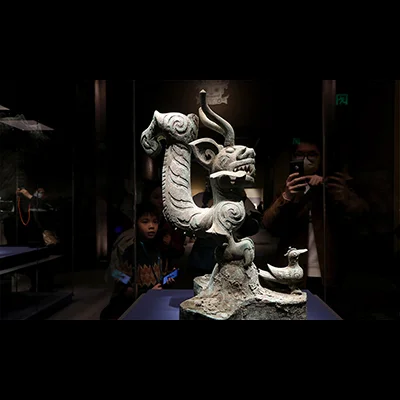
How a Bronze-Age Civilization’s Ritual Pits Are Rewriting the Spiritual History of China The Mud-Brick Time Capsule That Shook Archaeology In 1986, workers at a brick factory near Chengdu, Sichuan, accidentally struck something hard. They thought
- 8-20
- 126
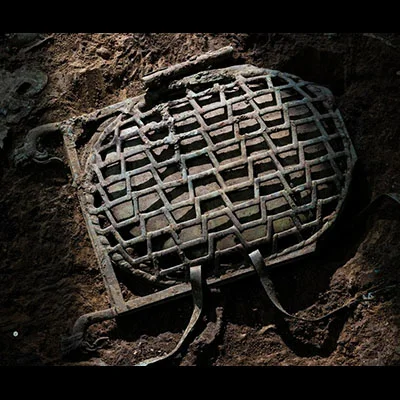
The discovery of the Sanxingdui ruins in 1929—and the subsequent excavations in 1986 and beyond—rewrote the narrative of ancient Chinese civilization. Hidden beneath the soil of Guanghan, Sichuan Province, lay an extraordinary trove of bronze masks,
- 7-31
- 174
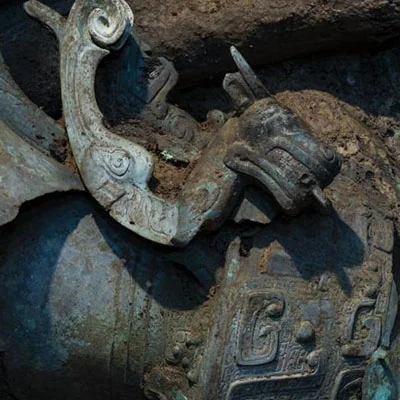
The earth has a way of keeping secrets. For millennia, the fertile plains of Sichuan in southwestern China held one of the most astonishing archaeological mysteries of the 20th century—the Sanxingdui ruins. Discovered by accident in 1929 when a farme
- 7-28
- 168
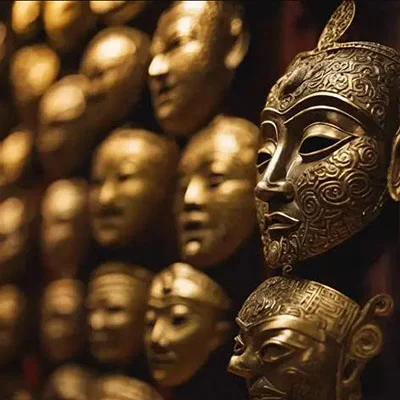
The soil of the Sichuan Basin has long held secrets that defy the linear narratives of Chinese history. For decades, the story of ancient China was told through the lens of the Yellow River Valley—the cradle of dynasties like the Shang and Zhou, wher
- 7-23
- 156
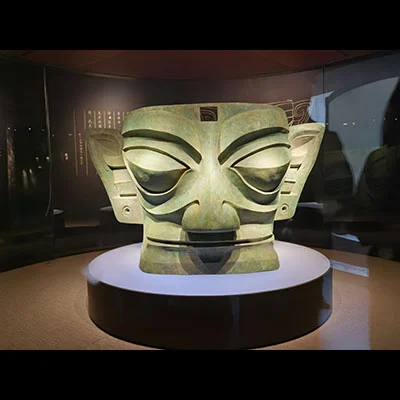
The dust of the Sichuan Basin has, over the past century, yielded secrets that have fundamentally rewritten the narrative of ancient Chinese civilization. While the Yellow River Valley has long been celebrated as the cradle of Chinese culture, the Sa
- 7-22
- 206
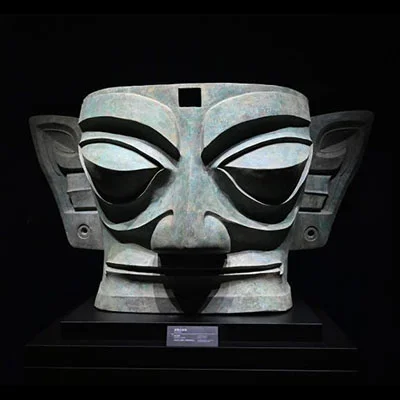
Deep in the Sichuan Basin, where the mist often clings to the lush green fields like a spectral shroud, a discovery in 1929 would eventually shatter every preconceived notion about the origins of Chinese civilization. A farmer named Yan Daocheng, whi
- 6-21
- 252
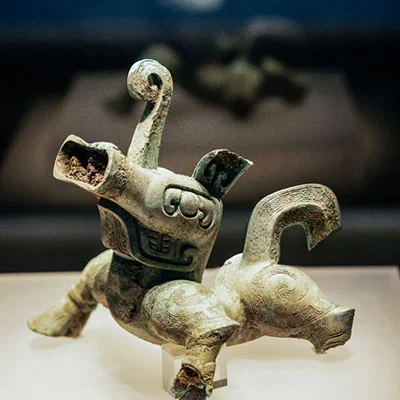
A Discovery That Rewrote History In 1929, a farmer in Guanghan, Sichuan Province, accidentally unearthed a cache of jade artifacts while repairing a sewage ditch. Little did he know, this humble discovery would lead to one of the most astonishing ar
- 6-14
- 235
The Sanxingdui ruins, discovered in 1929 but only fully excavated in 1986, remain one of the most enigmatic archaeological sites in the world. Located in Guanghan, Sichuan Province, this Bronze Age civilization flourished between 1600 and 1046 BCE, r
- 6-11
- 257
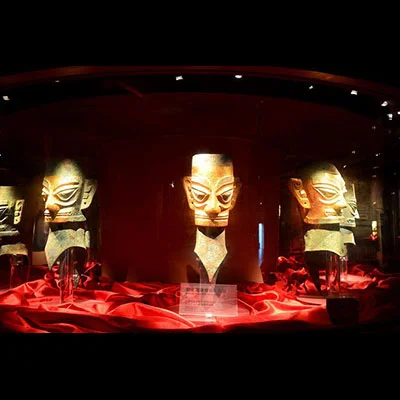
Deep in the fertile plains of Sichuan, China, lies one of the most enigmatic archaeological discoveries of the 20th century: the Sanxingdui ruins. Unearthed in 1929 but not fully excavated until the 1980s, this ancient Bronze Age civilization—dating
- 6-7
- 261
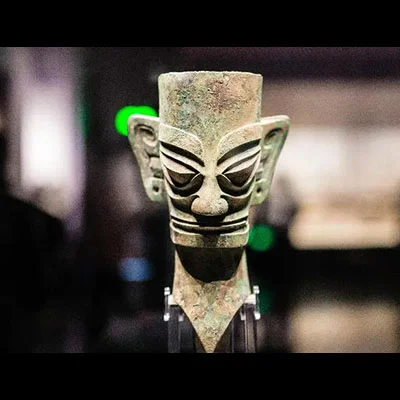
In the quiet plains of Sichuan, China, a discovery in 1929 would eventually rewrite the history of ancient Chinese civilization. What began as a farmer digging a drainage ditch turned into one of the most breathtaking archaeological finds of the 20th
- 6-6
- 274
About Us

- Sophia Reed
- Welcome to my blog!
Hot Blog
- The Forgotten Civilization of Sanxingdui
- Why Sanxingdui Matters in World Archaeology
- How Sanxingdui Changed Sichuan’s Archaeological Map
- Sanxingdui Ruins: Essential Travel Tips for Art Lovers
- Sanxingdui Ruins Preservation: Maintaining Cultural Heritage
- The Bronze Masks of Sanxingdui: History and Meaning
- The Cultural Rise of Sanxingdui in Ancient Sichuan
- From the Ancient Shu Kingdom to Sanxingdui Ruins
- Driving Directions to Sanxingdui Ruins in Guanghan
- Sanxingdui Ruins: Shu Civilization Bronze Mask Symbolism
Latest Blog
- Sanxingdui Gold & Jade Artifacts: Pit 2 and Pit 3 Findings
- Timeline of Bronze Age Finds at Sanxingdui
- Sanxingdui Bronze Masks: Understanding Ancient Rituals
- Exploring Sichuan’s Hidden Gem: Sanxingdui Ruins
- Sanxingdui Ruins Preservation: Managing Artifact Deterioration
- Sanxingdui Gold & Jade: Ancient Chinese Jewelry
- Global Research Trends in Sanxingdui Studies
- Sanxingdui Pottery: Patterns, Faces, and Rituals
- Sanxingdui Ruins News: Important Archaeology Discoveries
- Sanxingdui Ruins News: Museum and Artifact Discoveries
- Sanxingdui Ruins: Essential Travel Tips for Art Lovers
- Worldwide Perspectives on Sanxingdui Bronze Masks
- Sanxingdui Excavation: Pit Discoveries and Artifact Patterns
- Sanxingdui Gold & Jade: Artifact Crafting and Styles
- Global Archaeological Significance of Sanxingdui Artifacts
- Dating Sanxingdui Faces and Figurines
- Sanxingdui and Cultural Connectivity in Ancient China
- Sanxingdui Excavation: Faces, Masks, and Patterns
- Sanxingdui Ruins: Analysis of Ritual Objects
- Sanxingdui Pottery: Pit Discoveries Explained