Religion and Beliefs of Sanxingdui: Unveiling Ancient Spiritual Practices
The Sanxingdui Ruins provide invaluable insights into the religious and ceremonial life of the Shu civilization. Through bronze masks, altars, and ritual artifacts, archaeologists have reconstructed the spiritual worldview of this enigmatic culture, revealing their beliefs, sacred ceremonies, and how religion shaped social and cultural life in Bronze Age Sichuan.
Religion & Beliefs
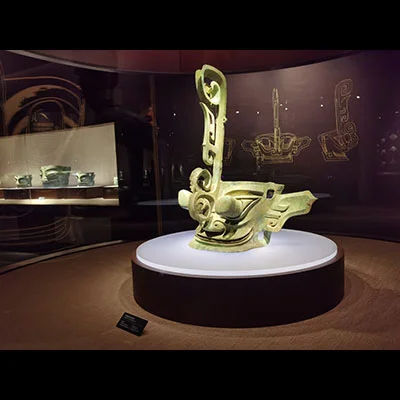
When Bronze Speaks: Inside the Sacred Toolkit of a Lost Civilization In the plains of what is now Sichuan Province, China, a civilization flourished and vanished roughly three thousand years ago, leaving behind one of the most startling archaeologic
- 10-7
- 48
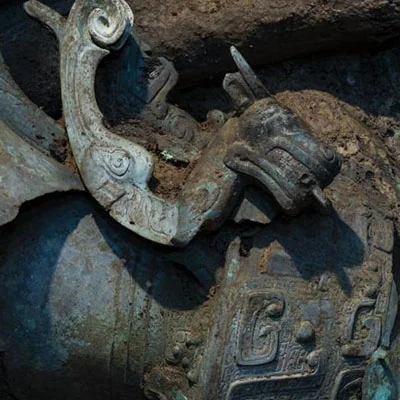
When Archaeology Meets the Sacred In the summer of 2021, a golden mask fragment emerged from a pit in Sichuan Province, China, and within hours its image had traveled around the world. The artifact belonged to Sanxingdui, a Bronze Age site that has
- 9-28
- 84
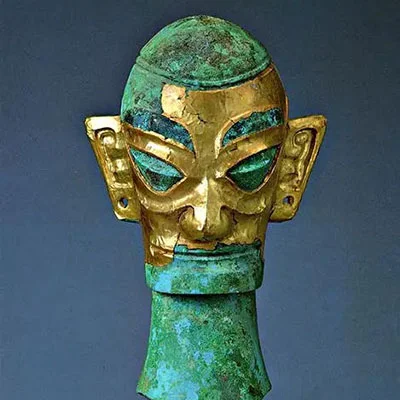
There is a moment, standing in the dim light of the Sanxingdui Museum in Guanghan, Sichuan, when you lock eyes with something that should not exist. It is a bronze mask, roughly 3,000 years old, with pupils that protrude like cylinders from their soc
- 9-24
- 103
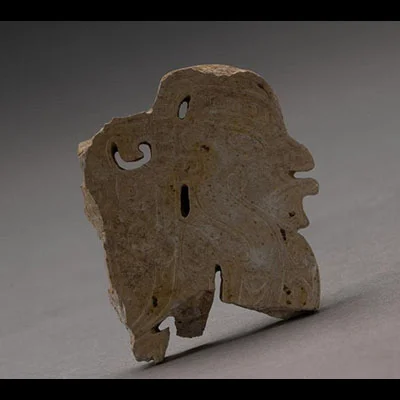
When Bronze Dreams Burst from the Earth There is a moment, standing in the dim light of the Sanxingdui Museum in Guanghan, Sichuan, when the modern world falls away. Before you stands a bronze mask so large it could swallow your face whole. Its eyes
- 9-22
- 96
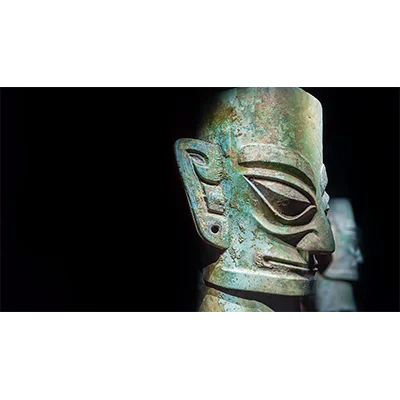
Subtitle: Beyond the Yellow River — Why the Sacrificial Pits of Sichuan Are Upending Every Textbook You’ve Read By [Your Name] | Field Notes from the Ancient Shu Civilization First, Forget Everything You Knew About Chinese Civilization For most
- 9-5
- 115
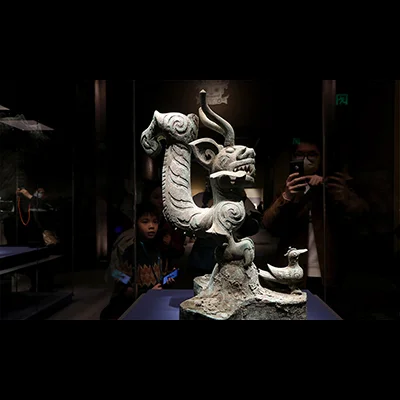
When Reality Warps Into Ritual: The Strange Beauty of Shu There is something profoundly unsettling about a Sanxingdui bronze mask. It doesn’t look like anything else from ancient China—no gentle Zhou dynasty elegance, no stern Qin soldier realism. I
- 8-29
- 254
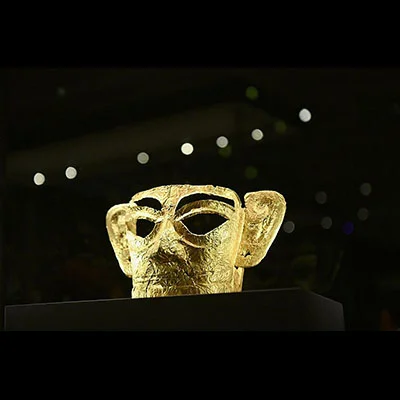
Subtitle: How 5,000-Year-Old Bronze Faces Are Rewriting the Spiritual History of Ancient China—and Why Their Staring Eyes Still Haunt Us The Dig That Broke the Internet (Again) In March 2021, when Chinese archaeologists pulled a 3,000-year-old bron
- 8-28
- 154
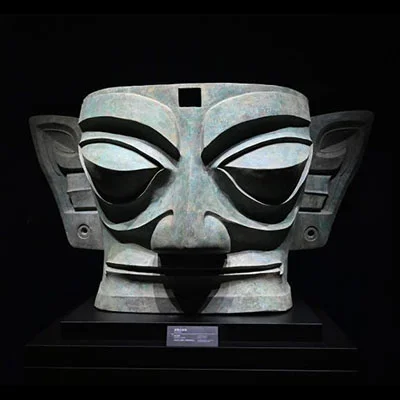
Subtitle: The Shu Kingdom’s forgotten altars, sacrificial pits, and the terrifying beauty of their otherworldly gods. The Whispers Beneath the Mulberry Fields In the summer of 1986, a group of brick factory workers in Guanghan, Sichuan, were digg
- 8-28
- 171
When a Pit Full of Gods Rewrote Chinese History In 1986, workers digging for a brick kiln near the Yazi River in Sichuan Province hit something hard—not stone, but jade. Then bronze. Then ivory. By the time archaeologists finished excavating two sac
- 8-21
- 123
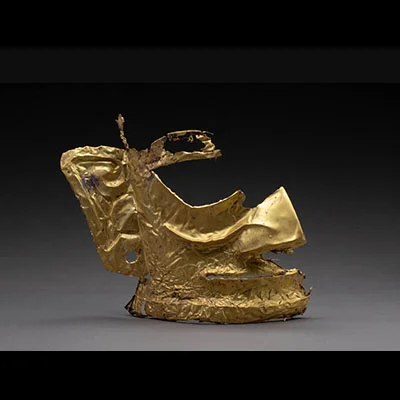
The Pit That Swallowed History—And Spat Out a New Cosmology Let’s be honest: for most of the 20th century, Chinese archaeology had a neat, tidy story to tell—the Yellow River basin was the cradle, the Shang and Zhou dynasties were the protagonists,
- 8-20
- 133
About Us

- Sophia Reed
- Welcome to my blog!
Hot Blog
- The Forgotten Civilization of Sanxingdui
- Why Sanxingdui Matters in World Archaeology
- How Sanxingdui Changed Sichuan’s Archaeological Map
- Sanxingdui Ruins: Essential Travel Tips for Art Lovers
- Sanxingdui Ruins Preservation: Maintaining Cultural Heritage
- The Bronze Masks of Sanxingdui: History and Meaning
- The Cultural Rise of Sanxingdui in Ancient Sichuan
- From the Ancient Shu Kingdom to Sanxingdui Ruins
- Driving Directions to Sanxingdui Ruins in Guanghan
- Sanxingdui Ruins: Shu Civilization Bronze Mask Symbolism
Latest Blog
- The Excavators Who Found Sanxingdui’s Hidden Past
- Sanxingdui Gold & Jade Artifacts: Pit 2 and Pit 3 Findings
- Timeline of Bronze Age Finds at Sanxingdui
- Sanxingdui Bronze Masks: Understanding Ancient Rituals
- Exploring Sichuan’s Hidden Gem: Sanxingdui Ruins
- Sanxingdui Ruins Preservation: Managing Artifact Deterioration
- Sanxingdui Gold & Jade: Ancient Chinese Jewelry
- Global Research Trends in Sanxingdui Studies
- Sanxingdui Pottery: Patterns, Faces, and Rituals
- Sanxingdui Ruins News: Important Archaeology Discoveries
- Sanxingdui Ruins News: Museum and Artifact Discoveries
- Sanxingdui Ruins: Essential Travel Tips for Art Lovers
- Worldwide Perspectives on Sanxingdui Bronze Masks
- Sanxingdui Excavation: Pit Discoveries and Artifact Patterns
- Sanxingdui Gold & Jade: Artifact Crafting and Styles
- Global Archaeological Significance of Sanxingdui Artifacts
- Dating Sanxingdui Faces and Figurines
- Sanxingdui and Cultural Connectivity in Ancient China
- Sanxingdui Excavation: Faces, Masks, and Patterns
- Sanxingdui Ruins: Analysis of Ritual Objects