Recently updated blog
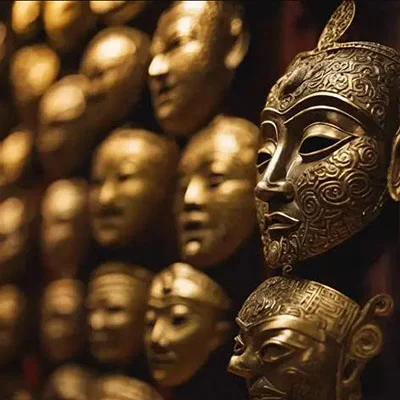
A Lost Civilization Reemerges from the Sichuan Plain In the spring of 2021, headlines around the world flashed with images of golden masks, towering bronze figures, and mysterious jade objects. These treasures were not newly found in Egypt or Mesopo
- 10-13
- 6
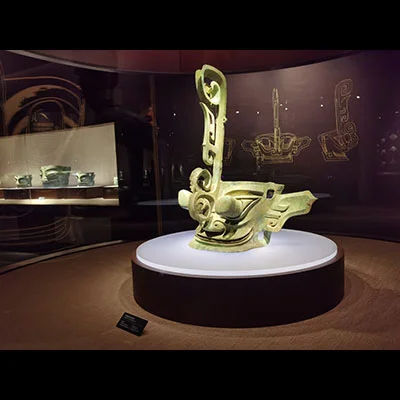
A Lost Civilization Speaks Through Metal and Stone When people think of ancient Chinese art, they often picture the familiar silhouettes of Shang and Zhou bronzes—ritual vessels covered in taotie masks, inscribed with oracle-bone-style characters, a
- 10-13
- 6
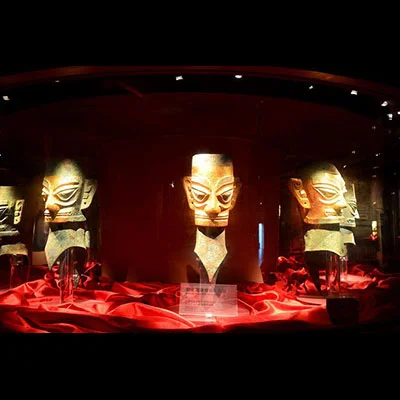
When Bronze Age China Refused to Fit the Mold In the spring of 1986, workers at a brick factory in Guanghan, Sichuan Province, accidentally unearthed two pits filled with bronze masks, gold wands, jade blades, and elephant tusks. The discovery of Sa
- 10-13
- 22
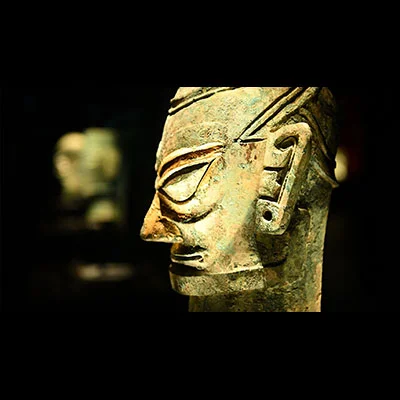
Why Sanxingdui Feels Like a First Date with an Alien Civilization There is a moment, standing in the dim light of the Sanxingdui Museum in Guanghan, Sichuan, when you lock eyes with a bronze mask the size of a dinner table. Its pupils are cylinders
- 10-12
- 18
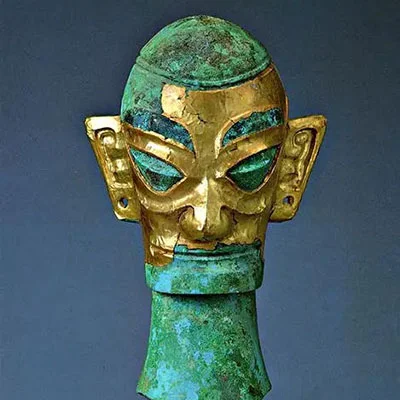
More Than a Local Wonder: Why the Sanxingdui Ruins Matter for the Whole Map of Early China For decades, the Sanxingdui ruins in Guanghan, Sichuan, have been treated as one of Chinese archaeology’s most spectacular puzzles. Bronze masks with bulging
- 10-12
- 20
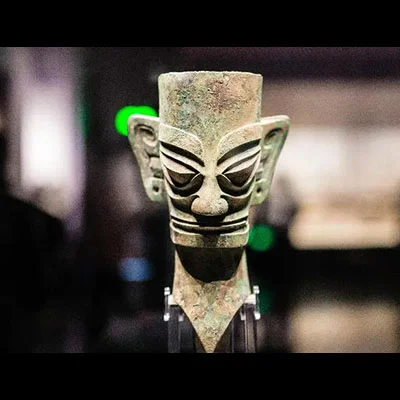
When Bronze Looks Back at You There is a moment in the Sanxingdui Museum in Guanghan, Sichuan, when you turn a corner and suddenly meet a pair of eyes that should not exist. They are bronze, they are enormous, and they are staring at you across more
- 10-12
- 27
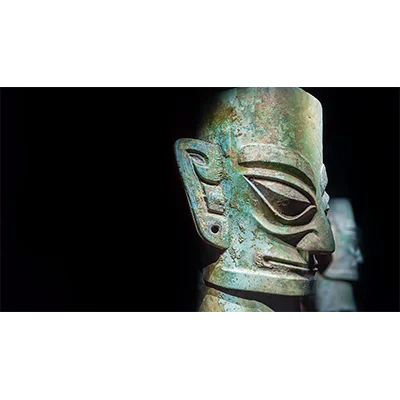
A Lost Civilization Speaks Through Bronze, Gold, and Jade When a farmer in Guanghan, Sichuan, accidentally unearthed a cache of jade artifacts in 1929, few could have imagined that the discovery would eventually rewrite the story of ancient Chinese
- 10-11
- 27
When Clay Tells a Story Older Than Bronze The Sanxingdui ruins have long been famous for their dramatic bronze masks, towering bronze trees, and that unmistakable gold-foil scepter. But there is another material at Sanxingdui that often gets oversha
- 10-11
- 25
A Lost Civilization That Refuses to Fit the Textbook In the spring of 1986, workers at a brick factory in Guanghan, Sichuan Province, accidentally unearthed two pits filled with bronze masks, gold scepters, jade blades, and elephant tusks. The world
- 10-11
- 123
The Pit That Rewrote the Timeline When archaeologists first peered into Pit 8 at Sanxingdui in 2022, they knew they were looking at something extraordinary. What they didn't fully grasp was how profoundly this single excavation would reshape our und
- 10-10
- 46
A Journey into China’s Most Mysterious Ancient Civilization There are archaeological sites, and then there is Sanxingdui. Tucked away in the Chengdu Plain of Sichuan Province, this sprawling excavation has been rewriting the story of early Chinese c
- 10-10
- 36
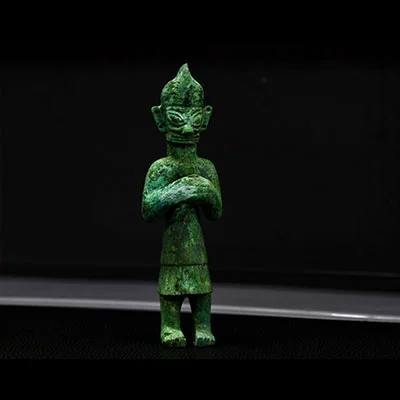
A Lost World Beneath the Fields of Guanghan In the flat, fertile plains of Sichuan Province, about 40 kilometers north of Chengdu, lies a site that has fundamentally rewritten the story of early Chinese civilization. Sanxingdui — literally "Three St
- 10-10
- 40
A Lost Civilization That Refused to Stay Buried For decades, the Sanxingdui ruins have been one of archaeology’s most tantalizing puzzles. Located in Guanghan, Sichuan Province, China, this ancient site has yielded artifacts so strange, so sophistic
- 10-9
- 37
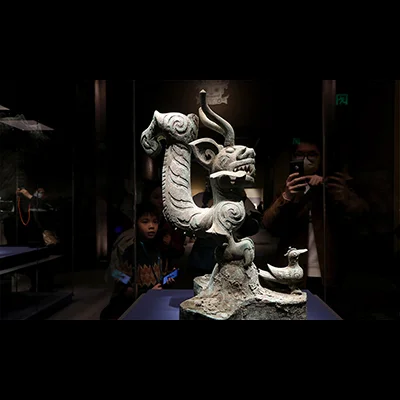
A Lost Civilization That Refuses to Stay Lost There is something almost cinematic about the Sanxingdui Ruins. Imagine farmers in rural Sichuan, China, digging irrigation ditches in 1929 and pulling up jade artifacts that no one could explain. Imagin
- 10-9
- 40
Something strange and wonderful is happening in the world of Chinese archaeology. For decades, the Sanxingdui Ruins in Guanghan, Sichuan Province, were treated as a fascinating anomaly — a Bronze Age culture that seemed to appear out of nowhere, prod
- 10-9
- 46
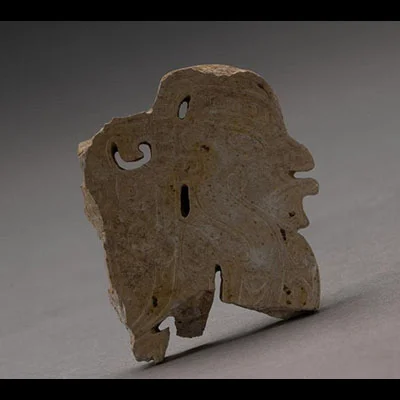
A Lost Kingdom Buried Under Rice Fields In 1929, a farmer in the Chengdu Plain of Sichuan Province was digging an irrigation ditch when his hoe struck something hard. What he unearthed—a cache of jade artifacts—would eventually lead archaeologists t
- 10-8
- 43
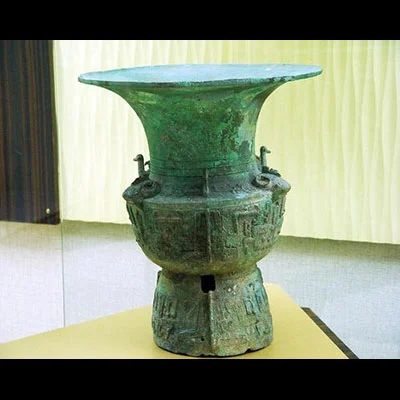
There are archaeological sites that inform us, and then there are archaeological sites that completely rearrange our sense of what the ancient world was capable of. Sanxingdui belongs firmly in the second category. Located in Guanghan, Sichuan Provin
- 10-8
- 31
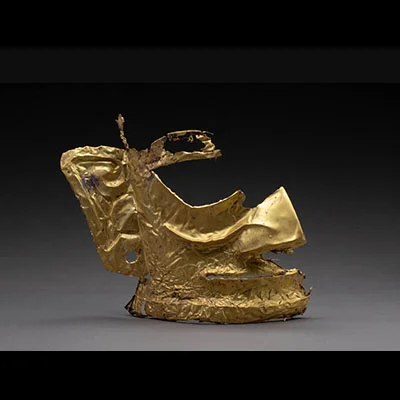
When Archaeology Meets Science Fiction If you have ever scrolled through social media and suddenly stopped at a photograph of a massive bronze face with bulging eyes, a wide enigmatic smile, and enormous pointed ears, you have already encountered th
- 10-8
- 53
When the Underground World of Shu Broke the Surface In the spring of 1929, a farmer in Guanghan, Sichuan, accidentally struck a cache of jade artifacts while digging a ditch. Nearly a century later, in 2021, archaeologists pulled a gold mask, a bron
- 10-8
- 36
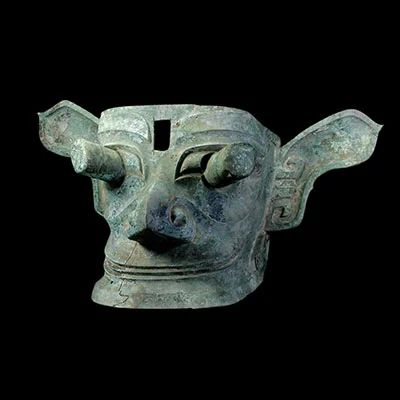
A Lost Civilization That Refuses to Be Forgotten In the fertile Chengdu Plain of Sichuan Province, China, a civilization flourished more than three thousand years ago that has left historians, archaeologists, and curious travelers alike scratching t
- 10-7
- 128
About Us

- Sophia Reed
- Welcome to my blog!
Hot Blog
- How Sanxingdui Changed Sichuan’s Archaeological Map
- Sanxingdui Ruins: Shu Civilization Bronze Mask Symbolism
- Driving Directions to Sanxingdui Ruins in Guanghan
- Sanxingdui Ruins: Upcoming Exhibitions and Events
- A Look Back at the Sanxingdui Discovery of 1929
- Sanxingdui Ruins Preservation: Maintaining Cultural Heritage
- Sanxingdui Gold & Jade: Pit Discoveries and Symbolism
- Why Sanxingdui Matters in World Archaeology
- Sanxingdui Bronze Figures and Mysteries
- Sanxingdui Bronze Masks: Symbols, Patterns, and Meanings