Preserving Sanxingdui: Safeguarding the Treasures of an Ancient Civilization
The Sanxingdui Ruins represent a remarkable legacy of the Shu civilization, requiring meticulous preservation and conservation efforts. From climate-controlled storage of bronze masks and jade ornaments to site protection and artifact restoration, discover how experts are ensuring that the artistic, cultural, and historical significance of Sanxingdui remains intact for both researchers and visitors alike.
Preservation
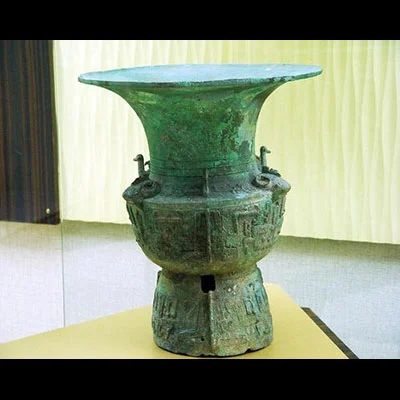
The discovery of the Sanxingdui ruins in China's Sichuan Province stands as one of the most electrifying archaeological events of the 20th century. In 1986, from the unassuming pits of a riverside archaeological site, emerged a civilization so artist
- 1-6
- 342
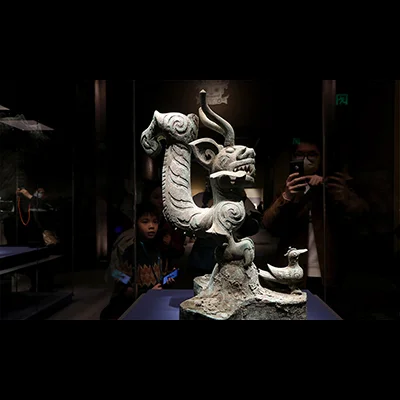
The silence within the museum gallery is profound, broken only by the hushed whispers of visitors circling the display. Before them, under the precise, cool light, stands a figure that seems to defy time itself. A towering bronze statue with elongate
- 1-5
- 315
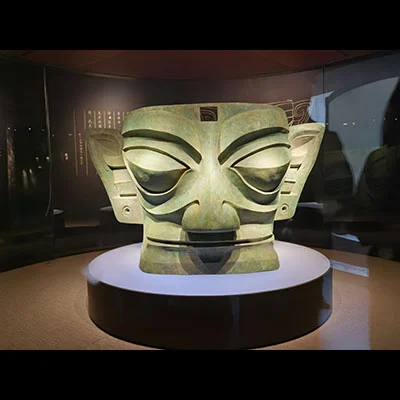
The unearthing of the Sanxingdui Ruins is not merely an archaeological discovery; it is a conversation with a lost world. Nestled in China's Sichuan Basin, this Bronze Age site, dating back over 3,000 years, has shattered conventional narratives of C
- 1-3
- 348
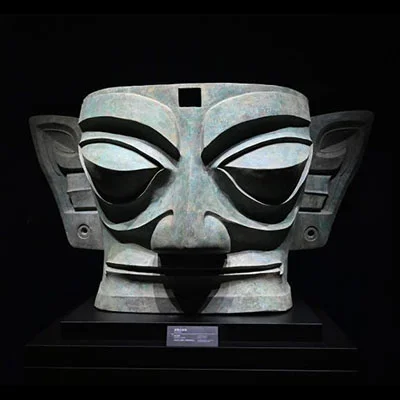
The world watched in awe as archaeologists in China’s Sichuan province carefully lifted a massive bronze mask from the earth. This wasn't just any artifact; it was a relic from the Sanxingdui civilization, a culture so enigmatic that its discovery in
- 12-31
- 393
The air in the laboratory is hushed, a sacred silence broken only by the soft hum of climate control and the occasional, careful scrape of a micro-tool. Before me, under the cool, precise light of an LED lamp, lies not just an artifact, but a conundr
- 12-29
- 394
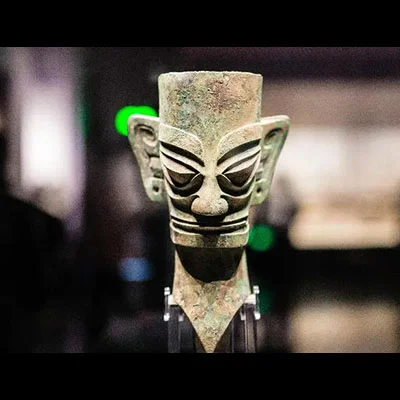
The recent archaeological triumphs at the Sanxingdui Ruins have done more than just rewrite the history of Chinese civilization; they have presented the world with a breathtaking array of metallic marvels. From the awe-inspiring 2.62-meter-tall bronz
- 12-28
- 404
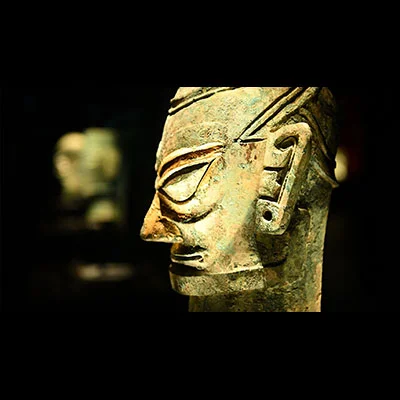
The air in the conservation laboratory is cool, still, and carries a faint, metallic tang—a scent of history itself. Under the precise glow of LED lamps, a conservator leans over a fragment of a bronze mask, its once-gleaming surface now a tapestry o
- 12-23
- 368
The unearthing of the Sanxingdui ruins in China's Sichuan Province stands as one of the most significant archaeological revelations of the modern era. Since the first major discovery in 1986, the site has continuously challenged our understanding of
- 12-21
- 381
The mist-shrouded plains of China's Sichuan Basin hold secrets that defy time and rewrite history. Here, far from the traditional heartlands of the Yellow River civilization, the Sanxingdui Ruins stand as a testament to a lost kingdom so bizarre, so
- 12-20
- 360
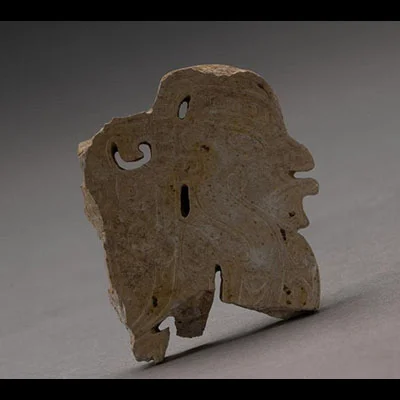
The unearthing of the Sanxingdui ruins in China's Sichuan Province is more than an archaeological sensation; it is a conversation with a lost civilization. Each bronze mask with its haunting, oversized eyes, every fragment of gold foil, and the tower
- 12-12
- 349
About Us

- Sophia Reed
- Welcome to my blog!
Hot Blog
- How Sanxingdui Changed Sichuan’s Archaeological Map
- Why Sanxingdui Matters in World Archaeology
- Sanxingdui Ruins Preservation: Maintaining Cultural Heritage
- The Bronze Masks of Sanxingdui: History and Meaning
- Sanxingdui Ruins: Preservation Challenges and Solutions
- The Forgotten Civilization of Sanxingdui
- From the Ancient Shu Kingdom to Sanxingdui Ruins
- Sanxingdui Ruins: Shu Civilization Bronze Mask Symbolism
- Driving Directions to Sanxingdui Ruins in Guanghan
- The Cultural Rise of Sanxingdui in Ancient Sichuan
Latest Blog
- Sanxingdui Ruins News: Important Archaeology Discoveries
- Sanxingdui Ruins News: Museum and Artifact Discoveries
- Sanxingdui Ruins: Essential Travel Tips for Art Lovers
- Worldwide Perspectives on Sanxingdui Bronze Masks
- Sanxingdui Excavation: Pit Discoveries and Artifact Patterns
- Sanxingdui Gold & Jade: Artifact Crafting and Styles
- Global Archaeological Significance of Sanxingdui Artifacts
- Dating Sanxingdui Faces and Figurines
- Sanxingdui and Cultural Connectivity in Ancient China
- Sanxingdui Excavation: Faces, Masks, and Patterns
- Sanxingdui Ruins: Analysis of Ritual Objects
- Sanxingdui Pottery: Pit Discoveries Explained
- Why Sanxingdui Matters in World Archaeology
- Sanxingdui Dating & Analysis: Pit 8 Discoveries
- Sanxingdui Museum: Bronze Masks and Gold Artifacts Tour
- Sanxingdui Excavation: Ancient Shu Civilization Artifacts
- Sanxingdui’s Discovery: From Mystery to Masterpiece
- Sanxingdui Ruins: International Heritage Insights
- Sanxingdui Ruins: New Exhibits and Announcements
- Sanxingdui Ruins: Ancient Civilization Secrets