Preserving Sanxingdui: Safeguarding the Treasures of an Ancient Civilization
The Sanxingdui Ruins represent a remarkable legacy of the Shu civilization, requiring meticulous preservation and conservation efforts. From climate-controlled storage of bronze masks and jade ornaments to site protection and artifact restoration, discover how experts are ensuring that the artistic, cultural, and historical significance of Sanxingdui remains intact for both researchers and visitors alike.
Preservation
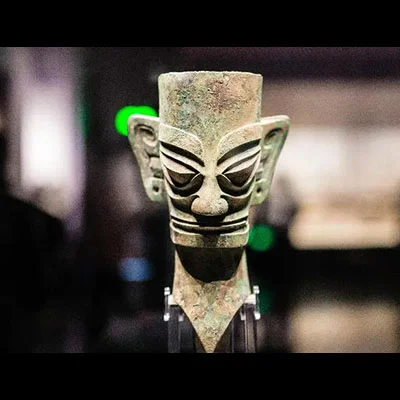
Subtitle: Inside the high-tech conservation labs and controversial exhibition halls preserving China’s most enigmatic ancient Shu relics The Day the Earth Coughed Up a God On a humid July morning in 1986, two brick factory workers in Guanghan, Si
- 8-18
- 180
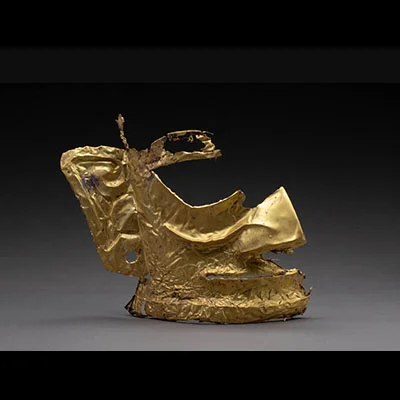
Subtitle: What a 3,000‑Year‑Old Bronze Tree Teaches Us About Memory, Identity, and the Fragile Art of Keeping the Past Alive The Day the Earth Coughed Up a Civilization In 1929, a farmer named Yan Daocheng was digging a drainage ditch near his ho
- 8-11
- 145
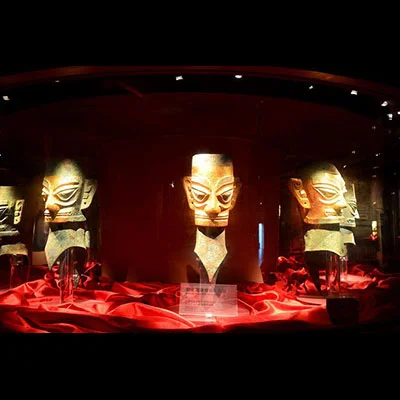
The Sanxingdui Ruins, buried for over 3,000 years in the fertile plains of Sichuan, China, represent one of the most astonishing archaeological discoveries of the 20th century. Unearthed in 1929 but only systematically excavated starting in 1986, thi
- 7-31
- 123
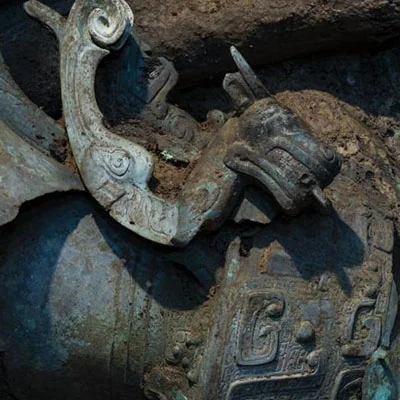
The Sanxingdui Ruins, located in Guanghan City, Sichuan Province, have captivated the world since their accidental discovery in 1929. What initially seemed like a modest archaeological find has evolved into one of the most significant and enigmatic e
- 7-29
- 110
Unearthing a Lost Civilization: The Challenge of Time and Decay In 1986, farmers digging a drainage ditch in Sichuan Province, China, accidentally struck something far more valuable than water. What they uncovered was the tip of an archaeological ic
- 7-23
- 197
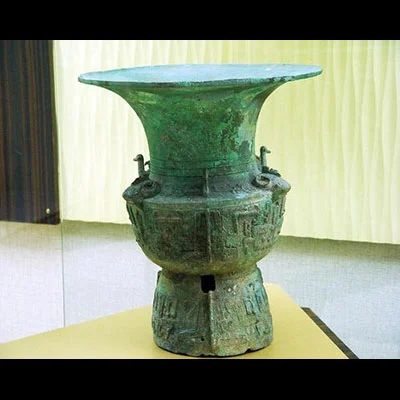
The Enigma Beneath the Soil: Why Sanxingdui Demands a New Standard of Preservation The Sanxingdui Ruins, nestled in the Guanghan region of Sichuan, China, are not just another archaeological site. They are a portal to a lost civilization—the Shu kin
- 7-4
- 165
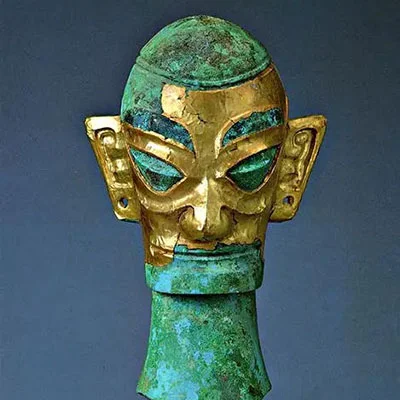
The Sanxingdui Ruins, buried for over three millennia beneath the fertile soil of Sichuan Province, have rewritten the narrative of ancient Chinese civilization. Since their accidental discovery in 1929 and the subsequent monumental excavations in 19
- 6-12
- 175
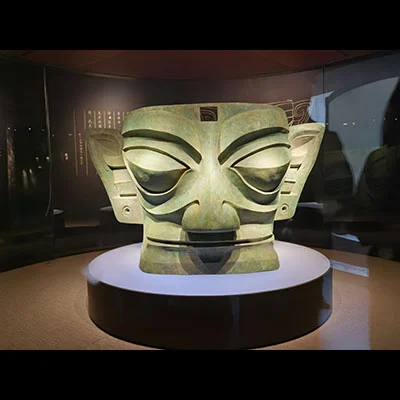
The Sanxingdui Ruins, located in Guanghan, Sichuan Province, have captivated the world since their accidental discovery in 1929. As one of the most significant archaeological finds of the 20th century, this ancient Shu civilization site has yielded t
- 5-3
- 232
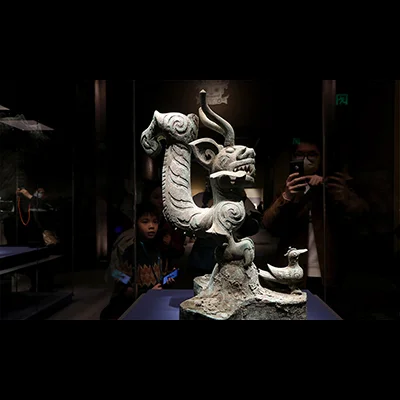
In the sweltering heat of the Sichuan Basin, where the mist often clings to the bamboo groves like a ghost from the past, a team of conservators is locked in a race against time. They are not excavating new treasures—though new ones are still being p
- 5-2
- 225
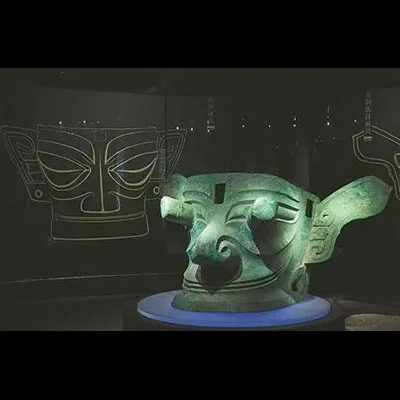
The Enigma of Sanxingdui: A Civilization Frozen in Time Deep in the Sichuan Basin of southwestern China, a discovery in 1929 would forever alter our understanding of ancient Chinese civilization. A farmer digging a well stumbled upon jade artifacts,
- 4-26
- 272
About Us

- Sophia Reed
- Welcome to my blog!
Hot Blog
- How Sanxingdui Changed Sichuan’s Archaeological Map
- Why Sanxingdui Matters in World Archaeology
- Sanxingdui Ruins Preservation: Maintaining Cultural Heritage
- The Bronze Masks of Sanxingdui: History and Meaning
- Sanxingdui Ruins: Preservation Challenges and Solutions
- The Forgotten Civilization of Sanxingdui
- From the Ancient Shu Kingdom to Sanxingdui Ruins
- Sanxingdui Ruins: Shu Civilization Bronze Mask Symbolism
- Driving Directions to Sanxingdui Ruins in Guanghan
- The Cultural Rise of Sanxingdui in Ancient Sichuan
Latest Blog
- Sanxingdui Ruins News: Important Archaeology Discoveries
- Sanxingdui Ruins News: Museum and Artifact Discoveries
- Sanxingdui Ruins: Essential Travel Tips for Art Lovers
- Worldwide Perspectives on Sanxingdui Bronze Masks
- Sanxingdui Excavation: Pit Discoveries and Artifact Patterns
- Sanxingdui Gold & Jade: Artifact Crafting and Styles
- Global Archaeological Significance of Sanxingdui Artifacts
- Dating Sanxingdui Faces and Figurines
- Sanxingdui and Cultural Connectivity in Ancient China
- Sanxingdui Excavation: Faces, Masks, and Patterns
- Sanxingdui Ruins: Analysis of Ritual Objects
- Sanxingdui Pottery: Pit Discoveries Explained
- Why Sanxingdui Matters in World Archaeology
- Sanxingdui Dating & Analysis: Pit 8 Discoveries
- Sanxingdui Museum: Bronze Masks and Gold Artifacts Tour
- Sanxingdui Excavation: Ancient Shu Civilization Artifacts
- Sanxingdui’s Discovery: From Mystery to Masterpiece
- Sanxingdui Ruins: International Heritage Insights
- Sanxingdui Ruins: New Exhibits and Announcements
- Sanxingdui Ruins: Ancient Civilization Secrets