The Remarkable History of Sanxingdui Ruins
Step back over 3,000 years to uncover the mysterious origins and evolution of the Ancient Shu civilization. From the stunning discovery of the Sanxingdui Ruins to the groundbreaking archaeological findings that rewrote China’s Bronze Age history, explore how this lost culture shaped the spiritual and artistic identity of early Sichuan.
History
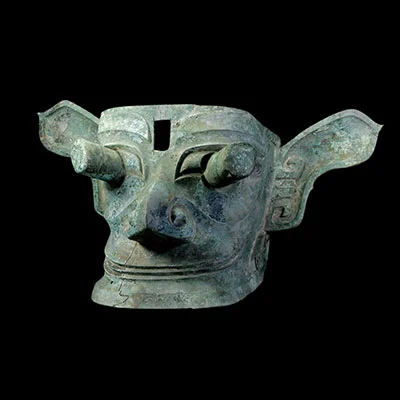
In the sweltering summer of 1986, two unassuming pits in Guanghan, Sichuan Province, yielded a discovery that would rewrite the history of Chinese civilization—and leave archaeologists speechless for decades. Unlike the familiar ritual vessels of the
- 5-9
- 570
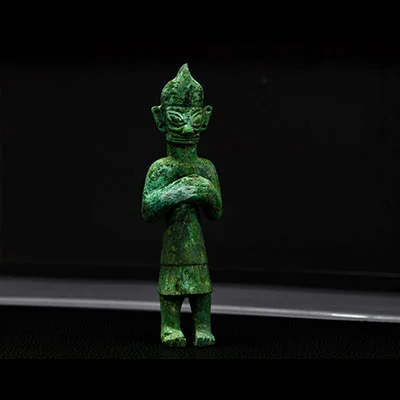
The story of Sanxingdui’s rediscovery is not one of a deliberate archaeological quest, but a tale of pure, earth-shattering accident. It reads like the opening of a modern myth: in the spring of 1929, a farmer named Yan Daocheng was digging a well in
- 4-22
- 362
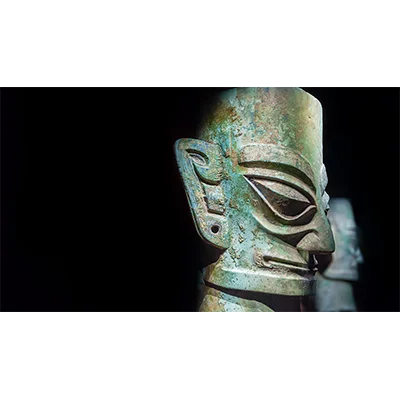
The story of Chinese civilization, long narrated through the familiar lens of the Yellow River's Central Plains, was irrevocably altered one unassuming day in 1929. A farmer digging an irrigation well in China's Sichuan province struck not water, but
- 4-16
- 509
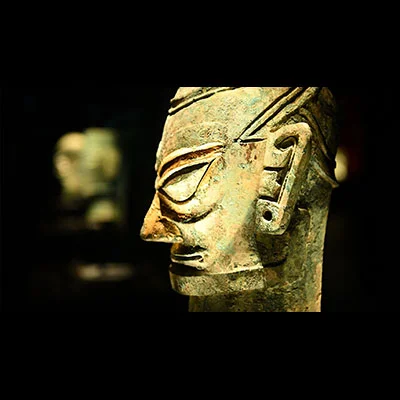
The story of Sanxingdui is not merely an archaeological narrative; it is a dramatic saga of chance discovery, decades of neglect, and breathtaking revelations that forcibly rewrote the early history of China. Located near the modern city of Guanghan
- 4-12
- 519
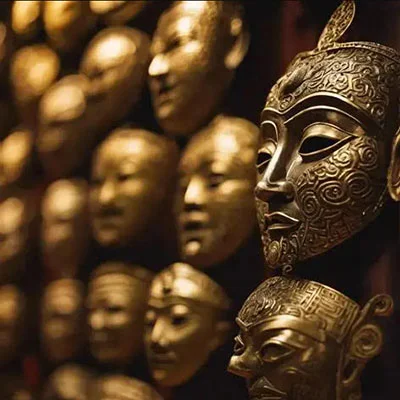
The story of human civilization is often told through a familiar cast of characters: the pyramids of Egypt, the Indus Valley cities, the palaces of Mesopotamia. For decades, history books drew lines of influence and trade between these established cr
- 4-10
- 488
The story of Chinese civilization, as it was taught for generations, followed a clear, linear narrative: it blossomed from the Yellow River Valley, the cradle of the Xia, Shang, and Zhou dynasties, and spread its influence outward, bringing advanced
- 4-6
- 414
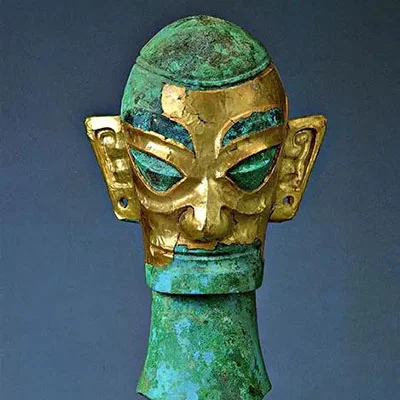
For over a century, the narrative of early Chinese civilization followed a relatively clear, if simplified, path. It was a story centered on the Central Plains, the Yellow River Basin—the cradle of the Xia, Shang, and Zhou dynasties. This was the ort
- 4-4
- 479
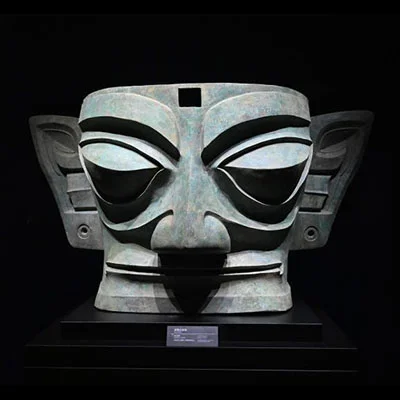
The story of ancient China has long been narrated through the familiar dynastic cycle—the Xia, Shang, and Zhou, their bronze rituals and oracle bones forming the cornerstone of classical Chinese civilization. But what if that story was incomplete? Wh
- 4-2
- 402
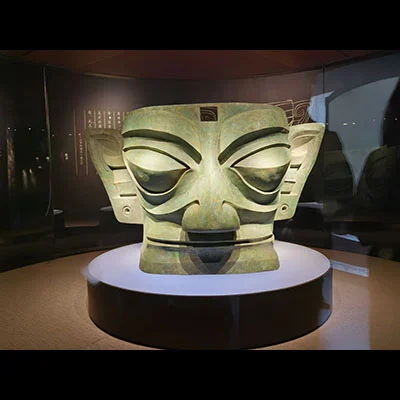
The story of ancient China, for generations, has been a narrative flowing steadily from the Yellow River. It was a tale centered on the Central Plains, of dynastic succession from Xia to Shang to Zhou, chronicled in classical texts and echoed in the
- 4-1
- 490
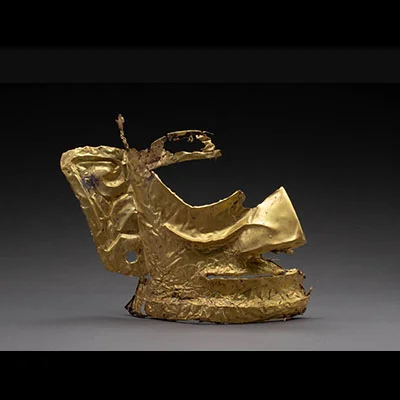
For centuries, the narrative of Chinese bronze artistry was a story told in a clear, classical dialect. It spoke of the majestic ritual vessels of the Shang and Zhou dynasties—the ding, zun, and gui—their surfaces adorned with taotie masks and thunde
- 3-31
- 499
About Us

- Sophia Reed
- Welcome to my blog!
Hot Blog
- Sanxingdui Ruins News: Latest Archaeological Insights
- Sanxingdui Ruins News: Bronze and Jade Artifact Updates
- Sanxingdui Ruins Travel Tips: Transportation Options
- Understanding the Sanxingdui Location and Its Environment
- Sanxingdui Museum: Understanding Ancient Shu Civilization
- The Evolution of Sanxingdui Bronze Mask Art
- Sanxingdui Bronze Masks: Exploring Bronze Mask Styles
- Sanxingdui Gold & Jade: Key Artifact Analysis
- Sanxingdui Ruins Visitor Guide: Must-Know Tips
- Sanxingdui Ruins Preservation: Bronze, Gold, and Jade Care
Latest Blog
- Sanxingdui Gold & Jade: From Discovery to Cultural Legacy
- Dating Ancient Shu Civilization Artifacts at Sanxingdui
- Shu Civilization Ritual Sites Discovered at Sanxingdui
- The 1986 Sanxingdui Discovery That Shocked the World
- Sanxingdui Ruins: Bronze Mask Preservation Insights
- Sanxingdui Ruins and Worldwide Archaeological Collaboration
- Historical Context of the Sanxingdui Site
- Sanxingdui Museum: Navigating Ancient Pottery Collections
- Dating Ancient Shu Civilization with Sanxingdui Finds
- How an Accident Led to the Discovery of Sanxingdui
- Religion and Rituals at Sanxingdui Ruins
- Sanxingdui Bronze Masks: A Deep Dive into Ancient Art
- Sanxingdui Gold & Jade: Key Artifact Analysis
- Dating Faces, Masks, and Pit Objects at Sanxingdui
- Sanxingdui Dating & Analysis: Pit Findings and Ritual Craft
- Sanxingdui Unearthed: The Discovery That Stunned Historians
- Tracing Cultural Links Through Sanxingdui Pottery
- Timeline of Sanxingdui Excavations and Finds
- How to Find Sanxingdui Ruins Using GPS
- Sanxingdui Mysteries: Who Were the Ancient Shu?