Cultural Links of Sanxingdui: Bridging Ancient Civilizations
The Sanxingdui Ruins reveal more than local innovation—they illustrate the Shu civilization’s connections with surrounding cultures. Through shared artistic styles, ritual practices, and trade networks, the Shu people contributed to a dynamic cultural exchange that shaped early Chinese civilization and highlights the broader interactions of the Bronze Age across Asia.
Cultural Links
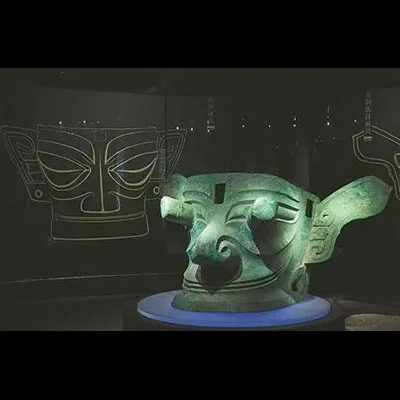
The story of early Chinese civilization has long been told through a familiar lens: the cradle of the Yellow River, the dynastic succession of Xia, Shang, and Zhou, and the gradual spread of a central cultural core. For decades, this narrative was do
- 1-2
- 536
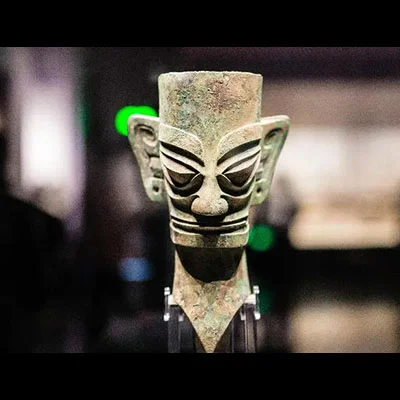
The story of human civilization is often told as a tale of rivers—the Nile, the Tigris and Euphrates, the Indus, the Yellow River. We imagine ancient cultures blossoming in isolation along these fertile banks, developing their unique characters befor
- 12-31
- 382
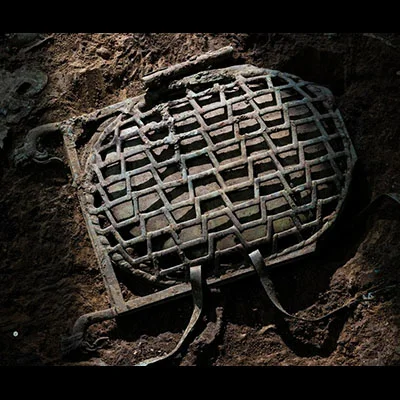
The earth in Sichuan Province, China, yielded a secret in 1986 that forever altered the narrative of Chinese civilization. The Sanxingdui ruins, dating back to the mysterious Shu kingdom of the 12th-11th centuries BCE, presented a world of art so biz
- 12-25
- 405
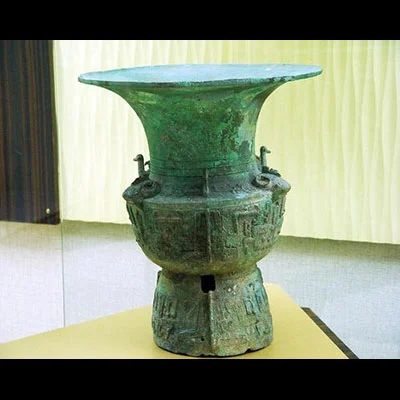
The story of human civilization is often told through the lens of the familiar—the pyramids of Egypt, the cities of Mesopotamia, the dynasties of China's Central Plains. But history, like a river, has hidden depths and unexpected tributaries. In 1986
- 12-23
- 577
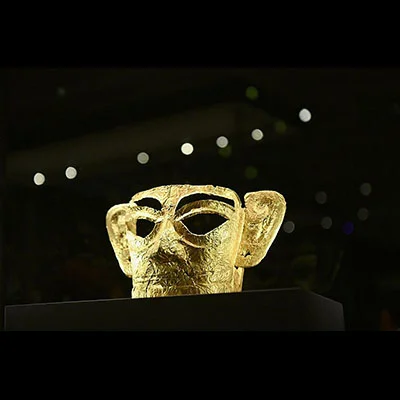
The story of ancient China has long been told from the banks of the Yellow River, a narrative centered on the Central Plains dynasties. For centuries, this was the accepted cradle of Chinese civilization. Then, in 1986, farmers in Sichuan Province st
- 12-16
- 614
In the quiet countryside of Guanghan, Sichuan Province, a discovery in 1986 shattered long-held narratives about the cradle of Chinese civilization. Farmers digging an irrigation ditch unearthed not simple pottery, but a treasure trove of breathtakin
- 12-7
- 393
The year is 1986. In a quiet, rural county of China's Sichuan Basin, local brickworkers stumble upon a cache of artifacts that will send shockwaves through the archaeological world. This was not a gradual, layered excavation of a known historical sit
- 12-3
- 383
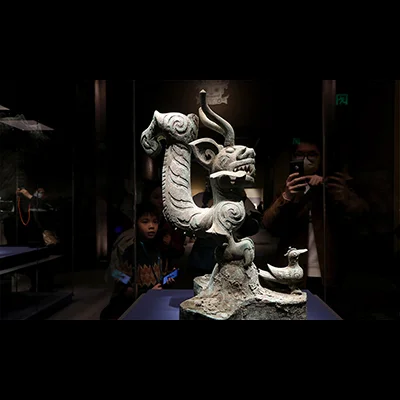
The unearthing of Sanxingdui wasn't just an archaeological discovery—it was a cosmological event in our understanding of human civilization. For decades, Chinese history textbooks traced the Yellow River basin as the singular "cradle of Chinese civil
- 12-1
- 573
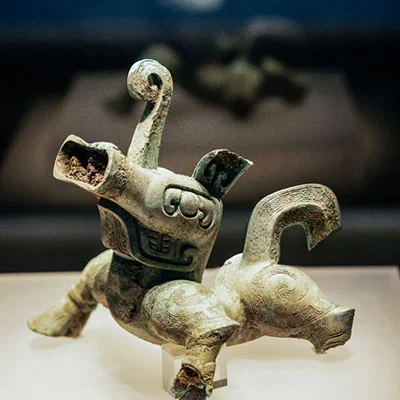
The unearthing of Sanxingdui wasn't just an archaeological discovery—it was a historical earthquake. For decades, our understanding of Chinese civilization centered on the Yellow River Valley, with the Shang Dynasty as its unquestioned heart. Then, i
- 11-28
- 501
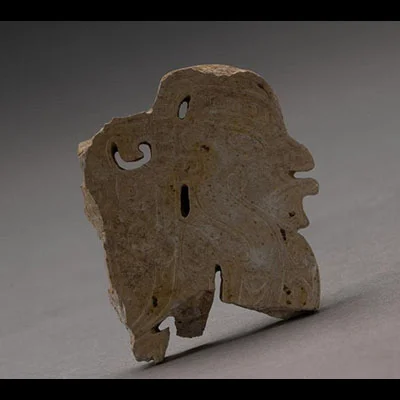
It was March 2021 when archaeologists at the Sanxingdui pit No. 3 gently brushed away the red-brown soil. What emerged from the earth, after 3,200 years of silence, was not just an artifact; it was a statement. A massive bronze mask, with exaggerated
- 11-19
- 546
About Us

- Sophia Reed
- Welcome to my blog!
Hot Blog
- Why Sanxingdui Matters in World Archaeology
- How Sanxingdui Changed Sichuan’s Archaeological Map
- The Forgotten Civilization of Sanxingdui
- Sanxingdui Ruins: Preservation Challenges and Solutions
- The Bronze Masks of Sanxingdui: History and Meaning
- Sanxingdui Ruins Preservation: Maintaining Cultural Heritage
- Sanxingdui Ruins: Essential Travel Tips for Art Lovers
- The Cultural Rise of Sanxingdui in Ancient Sichuan
- From the Ancient Shu Kingdom to Sanxingdui Ruins
- Sanxingdui Ruins: Shu Civilization Bronze Mask Symbolism
Latest Blog
- Sanxingdui Gold & Jade: Ancient Chinese Jewelry
- Global Research Trends in Sanxingdui Studies
- Sanxingdui Pottery: Patterns, Faces, and Rituals
- Sanxingdui Ruins News: Important Archaeology Discoveries
- Sanxingdui Ruins News: Museum and Artifact Discoveries
- Sanxingdui Ruins: Essential Travel Tips for Art Lovers
- Worldwide Perspectives on Sanxingdui Bronze Masks
- Sanxingdui Excavation: Pit Discoveries and Artifact Patterns
- Sanxingdui Gold & Jade: Artifact Crafting and Styles
- Global Archaeological Significance of Sanxingdui Artifacts
- Dating Sanxingdui Faces and Figurines
- Sanxingdui and Cultural Connectivity in Ancient China
- Sanxingdui Excavation: Faces, Masks, and Patterns
- Sanxingdui Ruins: Analysis of Ritual Objects
- Sanxingdui Pottery: Pit Discoveries Explained
- Why Sanxingdui Matters in World Archaeology
- Sanxingdui Dating & Analysis: Pit 8 Discoveries
- Sanxingdui Museum: Bronze Masks and Gold Artifacts Tour
- Sanxingdui Excavation: Ancient Shu Civilization Artifacts
- Sanxingdui’s Discovery: From Mystery to Masterpiece