Cultural Links of Sanxingdui: Bridging Ancient Civilizations
The Sanxingdui Ruins reveal more than local innovation—they illustrate the Shu civilization’s connections with surrounding cultures. Through shared artistic styles, ritual practices, and trade networks, the Shu people contributed to a dynamic cultural exchange that shaped early Chinese civilization and highlights the broader interactions of the Bronze Age across Asia.
Cultural Links
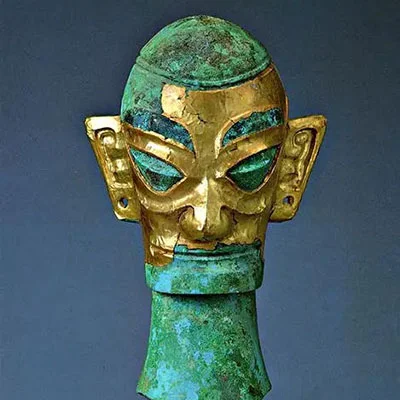
More Than a Local Wonder: Why the Sanxingdui Ruins Matter for the Whole Map of Early China For decades, the Sanxingdui ruins in Guanghan, Sichuan, have been treated as one of Chinese archaeology’s most spectacular puzzles. Bronze masks with bulging
- 10-12
- 42
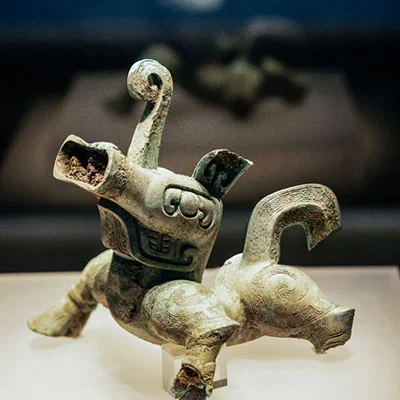
The Dig That Keeps Giving: Why Sanxingdui Still Shocks the World If you thought you knew ancient China, think again. For decades, the canonical narrative of Chinese civilization centered on the Yellow River basin—the dynastic courts of the Shang and
- 9-2
- 122
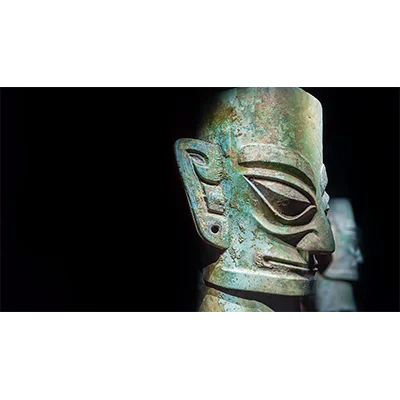
Not Your Grandfather's Bronze Age: Why Sanxingdui Breaks Every Rule If you grew up with the standard textbook narrative of ancient China—the Yellow River basin, the Shang dynasty's oracle bones, and those perfectly symmetrical ritual bronzes from An
- 8-31
- 447
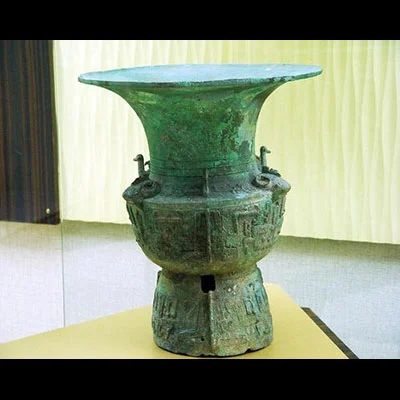
From the misty Sichuan basin to the steppes of Central Asia, a forgotten civilization’s artifacts are forcing archaeologists to redraw the map of ancient connectivity. The Shock of the Unfamiliar: Why Sanxingdui Still Haunts Archaeology In 1986,
- 8-29
- 204
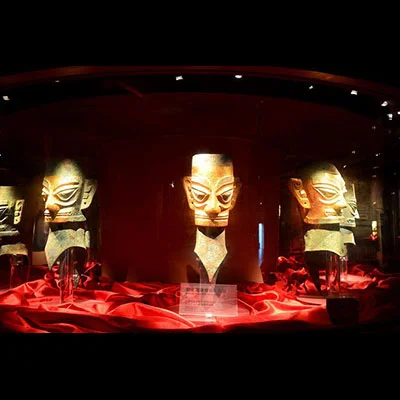
When a Lost Civilization Rewrote China’s Origin Story For most of the 20th century, the conventional narrative of Chinese civilization was stubbornly linear: it began in the Yellow River valley, with the Shang and Zhou dynasties as the unquestioned
- 8-28
- 217
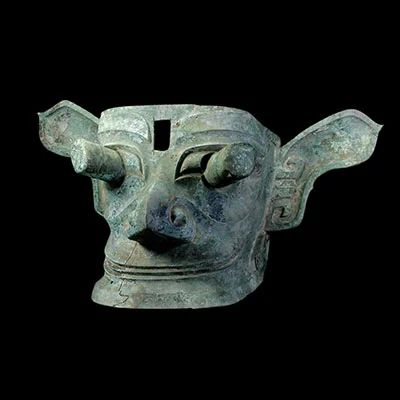
When a Pit of Ivory Upended Everything We Knew About Chinese Civilization In 1986, a group of brick factory workers in Guanghan, Sichuan Province, accidentally struck something that would rewrite the history of East Asia. They didn't find a tomb of
- 8-27
- 153
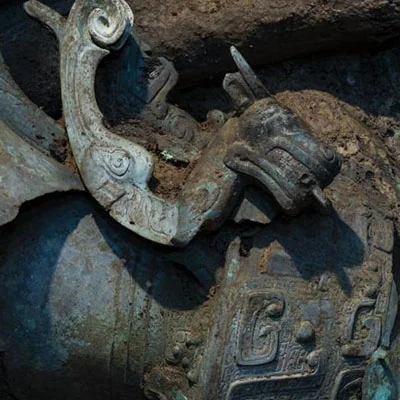
Beyond the Yellow River: A Counter-Narrative to the "Cradle of Civilization" For nearly a century, the story of ancient Chinese civilization was told through a familiar geography: the Yellow River basin, where the Shang dynasty’s oracle bones, bronz
- 8-15
- 148
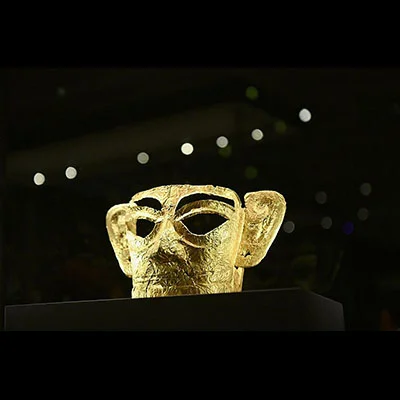
Subtitle: The Bronze Masks That Refuse to Fit the Narrative—and Why That’s Exactly Their Power Prologue: A Dig That Broke the Timeline In 1986, two sacrificial pits yawned open in the Sichuan basin, and Chinese archaeology—and art history—split i
- 8-5
- 154
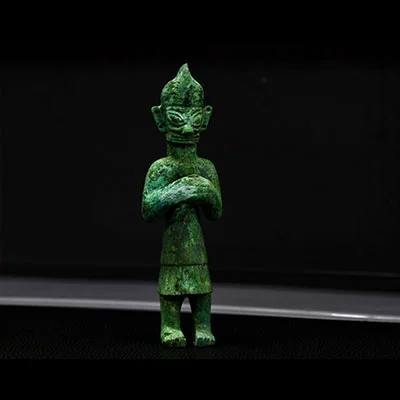
Subtitle: How a Buried City in Sichuan Is Rewriting the Story of Early Globalism, Ritual Power, and Cross-Civilizational Contact The Pit That Changed Everything: A Quick Recap for the Uninitiated If you’ve been living under a liubo board for the
- 8-4
- 188
The discovery of the Sanxingdui ruins in 1929, followed by the monumental excavations in 1986 and again in 2020–2021, has fundamentally reshaped our understanding of ancient Chinese civilization. For decades, the historical narrative of China’s Bronz
- 7-16
- 301
About Us

- Sophia Reed
- Welcome to my blog!
Hot Blog
- How Sanxingdui Changed Sichuan’s Archaeological Map
- Why Sanxingdui Matters in World Archaeology
- The Forgotten Civilization of Sanxingdui
- Sanxingdui Ruins: Preservation Challenges and Solutions
- The Bronze Masks of Sanxingdui: History and Meaning
- Sanxingdui Ruins Preservation: Maintaining Cultural Heritage
- Sanxingdui Ruins: Essential Travel Tips for Art Lovers
- The Cultural Rise of Sanxingdui in Ancient Sichuan
- From the Ancient Shu Kingdom to Sanxingdui Ruins
- Sanxingdui Ruins: Shu Civilization Bronze Mask Symbolism
Latest Blog
- Sanxingdui Gold & Jade: Ancient Chinese Jewelry
- Global Research Trends in Sanxingdui Studies
- Sanxingdui Pottery: Patterns, Faces, and Rituals
- Sanxingdui Ruins News: Important Archaeology Discoveries
- Sanxingdui Ruins News: Museum and Artifact Discoveries
- Sanxingdui Ruins: Essential Travel Tips for Art Lovers
- Worldwide Perspectives on Sanxingdui Bronze Masks
- Sanxingdui Excavation: Pit Discoveries and Artifact Patterns
- Sanxingdui Gold & Jade: Artifact Crafting and Styles
- Global Archaeological Significance of Sanxingdui Artifacts
- Dating Sanxingdui Faces and Figurines
- Sanxingdui and Cultural Connectivity in Ancient China
- Sanxingdui Excavation: Faces, Masks, and Patterns
- Sanxingdui Ruins: Analysis of Ritual Objects
- Sanxingdui Pottery: Pit Discoveries Explained
- Why Sanxingdui Matters in World Archaeology
- Sanxingdui Dating & Analysis: Pit 8 Discoveries
- Sanxingdui Museum: Bronze Masks and Gold Artifacts Tour
- Sanxingdui Excavation: Ancient Shu Civilization Artifacts
- Sanxingdui’s Discovery: From Mystery to Masterpiece