"Shu Kingdom Archaeology" Result
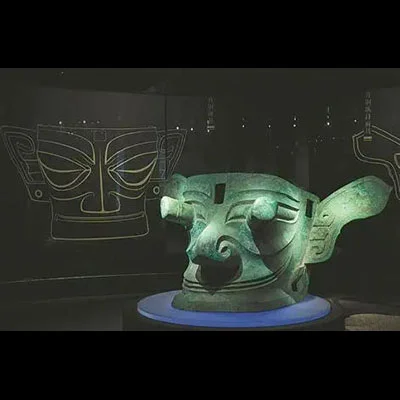
In the heart of China's Sichuan Basin, a discovery in the 1980s shattered conventional understanding of Chinese civilization. The Sanxingdui ruins, dating back over 3,000 years to the Shu Kingdom, revealed a culture so bizarre and technologically adv
- 11-26
- 432
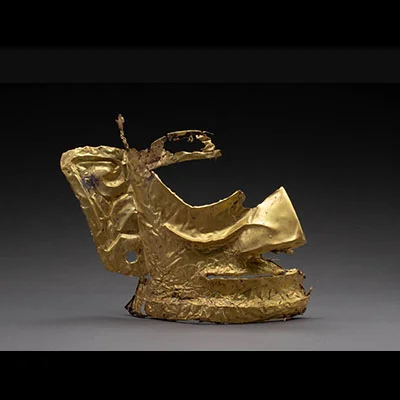
The Silent Awakening (1929-1986) A Farmer's Chance Discovery In the spring of 1929, a farmer digging an irrigation ditch in Guanghan County, Sichuan Province, struck something hard and metallic. His shovel had unearthed more than just soil; it had
- 11-24
- 480
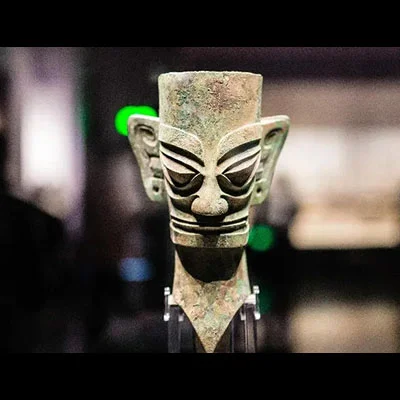
In the heart of China's Sichuan Basin, a discovery emerged that would forever alter our understanding of ancient Chinese civilization. The Sanxingdui ruins, a archaeological site of staggering significance, have yielded artifacts so bizarre, so magni
- 11-23
- 479
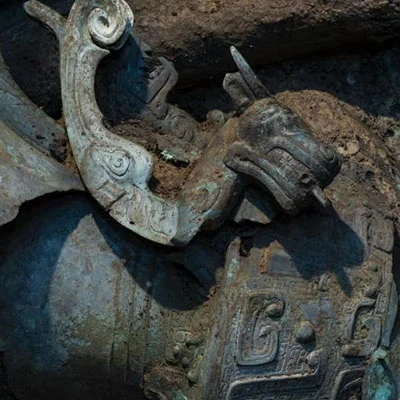
The earth cracked open in 1929, not with a roar, but with a whisper—a farmer’s shovel striking something hard and unfamiliar near the banks of the Yazi River in China's Sichuan Basin. This single, unassuming event was the first hint of one of the mos
- 11-22
- 477
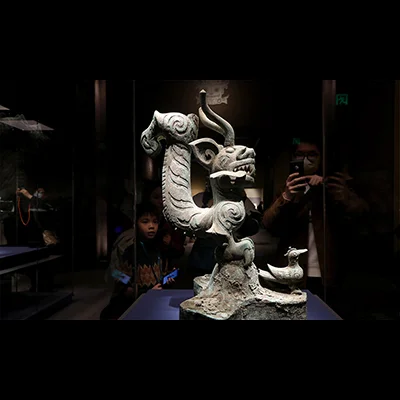
It feels like every few months, the earth beneath Sichuan Province decides to gift us another piece of a puzzle so grand, it challenges the very narrative of Chinese civilization. The latest dispatches from the Sanxingdui Ruins are not just about new
- 11-20
- 432
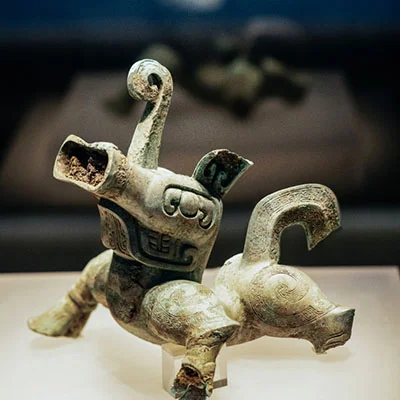
The earth in Sichuan Province, China, yielded a secret in 1986 that would forever alter the landscape of archaeology and our understanding of ancient Chinese civilization. The Sanxingdui ruins, a sprawling metropolis dating back to the Bronze Age, pr
- 11-17
- 562
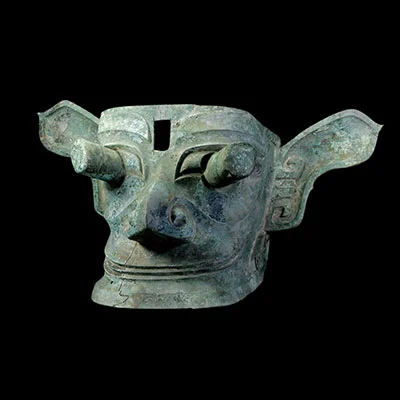
The Silent Awakening of a Lost Civilization In the spring of 1929, a farmer digging a well in China's Sichuan province struck something hard and metallic. What emerged from the earth would eventually rewrite Chinese archaeological history—but it wou
- 11-16
- 419
The ground beneath our feet often holds secrets far grander than we can imagine. For decades, the Sanxingdui ruins in China's Sichuan Basin have been one of the world's most captivating archaeological enigmas, a site that single-handedly shattered pr
- 11-11
- 550
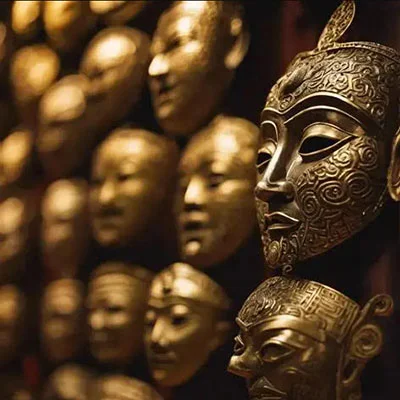
Nestled in the heart of China's Sichuan province, the Sanxingdui Museum stands as a testament to one of the most astonishing archaeological discoveries of the 20th century. For bronze artifact enthusiasts, this site is nothing short of a pilgrimage d
- 11-9
- 418
About Us

- Sophia Reed
- Welcome to my blog!
Hot Blog
- Sanxingdui Ruins News: Latest Archaeological Insights
- Sanxingdui Ruins News: Bronze and Jade Artifact Updates
- Sanxingdui Ruins Travel Tips: Transportation Options
- Understanding the Sanxingdui Location and Its Environment
- Sanxingdui Museum: Understanding Ancient Shu Civilization
- The Evolution of Sanxingdui Bronze Mask Art
- Sanxingdui Bronze Masks: Exploring Bronze Mask Styles
- Sanxingdui Gold & Jade: Key Artifact Analysis
- Sanxingdui Ruins Visitor Guide: Must-Know Tips
- Sanxingdui Ruins Preservation: Bronze, Gold, and Jade Care
Latest Blog
- Sanxingdui Gold & Jade: From Discovery to Cultural Legacy
- Dating Ancient Shu Civilization Artifacts at Sanxingdui
- Shu Civilization Ritual Sites Discovered at Sanxingdui
- The 1986 Sanxingdui Discovery That Shocked the World
- Sanxingdui Ruins: Bronze Mask Preservation Insights
- Sanxingdui Ruins and Worldwide Archaeological Collaboration
- Historical Context of the Sanxingdui Site
- Sanxingdui Museum: Navigating Ancient Pottery Collections
- Dating Ancient Shu Civilization with Sanxingdui Finds
- How an Accident Led to the Discovery of Sanxingdui
- Religion and Rituals at Sanxingdui Ruins
- Sanxingdui Bronze Masks: A Deep Dive into Ancient Art
- Sanxingdui Gold & Jade: Key Artifact Analysis
- Dating Faces, Masks, and Pit Objects at Sanxingdui
- Sanxingdui Dating & Analysis: Pit Findings and Ritual Craft
- Sanxingdui Unearthed: The Discovery That Stunned Historians
- Tracing Cultural Links Through Sanxingdui Pottery
- Timeline of Sanxingdui Excavations and Finds
- How to Find Sanxingdui Ruins Using GPS
- Sanxingdui Mysteries: Who Were the Ancient Shu?