"Sanxingdui Religion" Result
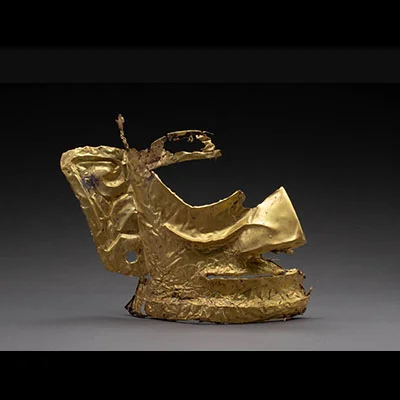
The Pit That Swallowed History—And Spat Out a New Cosmology Let’s be honest: for most of the 20th century, Chinese archaeology had a neat, tidy story to tell—the Yellow River basin was the cradle, the Shang and Zhou dynasties were the protagonists,
- 8-20
- 203
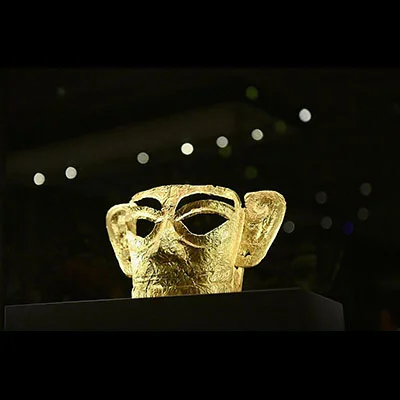
In the heart of China’s Sichuan Basin, where the mist often clings to the earth like a forgotten prayer, lies one of the most enigmatic archaeological sites of the 20th century: Sanxingdui. First discovered in 1929 by a farmer digging an irrigation d
- 6-19
- 325
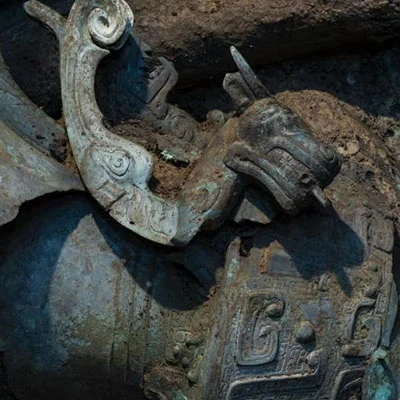
The sudden, seismic shift in our understanding of ancient China did not come from a rewritten text or a revised historical theory. It erupted from the soil of Sichuan province, in the form of grotesque bronze masks with protruding eyes, gilded scepte
- 4-13
- 303
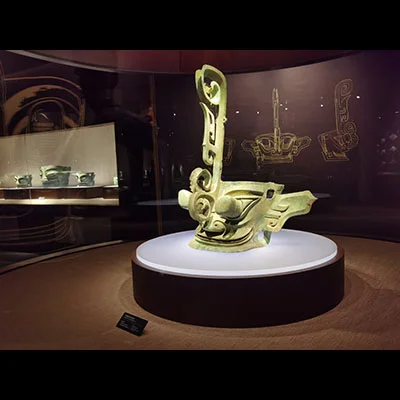
The Sichuan Basin has long held its secrets close, shrouded in the region's perennial mist. But in 1986, and then again with seismic force in 2019-2022, the earth near Guanghan city yielded a truth so bizarre, so utterly other, that it shattered the
- 3-6
- 416
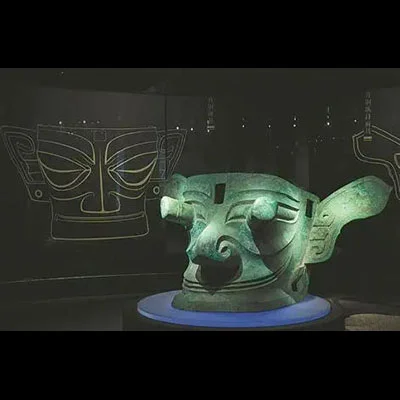
The year is 1986, in a quiet village in China's Sichuan Basin. Local workers, digging clay for bricks, strike not earth, but bronze—and history shatters. The Sanxingdui ruins, emerging from the loam, did not just offer artifacts; they presented a the
- 1-1
- 479
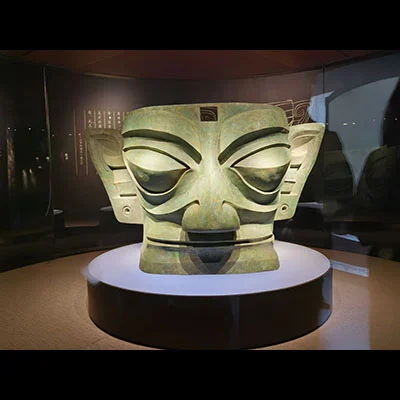
The silence of the Sichuan basin was shattered not by a roar, but by a discovery. In 1986, farmers digging a clay pit unearthed not earth, but eternity—jade, bronze, and gold that spoke of a kingdom forgotten by history. The Sanxingdui ruins, dating
- 12-30
- 558
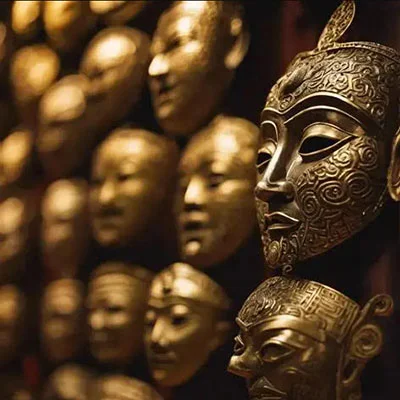
In the quiet countryside of Guanghan, Sichuan, a discovery in 1986 shattered our understanding of ancient Chinese civilization. Farmers digging clay unearthed not simple artifacts, but a breathtaking, alien-like artistic tradition that seemed to have
- 12-21
- 457
About Us

- Sophia Reed
- Welcome to my blog!
Hot Blog
- Sanxingdui Ruins News: Latest Archaeological Insights
- Sanxingdui Ruins News: Bronze and Jade Artifact Updates
- Sanxingdui Ruins Travel Tips: Transportation Options
- Understanding the Sanxingdui Location and Its Environment
- Sanxingdui Museum: Understanding Ancient Shu Civilization
- The Evolution of Sanxingdui Bronze Mask Art
- Sanxingdui Bronze Masks: Exploring Bronze Mask Styles
- Sanxingdui Gold & Jade: Key Artifact Analysis
- Sanxingdui Ruins Visitor Guide: Must-Know Tips
- Sanxingdui Ruins Preservation: Bronze, Gold, and Jade Care
Latest Blog
- Sanxingdui Gold & Jade: From Discovery to Cultural Legacy
- Dating Ancient Shu Civilization Artifacts at Sanxingdui
- Shu Civilization Ritual Sites Discovered at Sanxingdui
- The 1986 Sanxingdui Discovery That Shocked the World
- Sanxingdui Ruins: Bronze Mask Preservation Insights
- Sanxingdui Ruins and Worldwide Archaeological Collaboration
- Historical Context of the Sanxingdui Site
- Sanxingdui Museum: Navigating Ancient Pottery Collections
- Dating Ancient Shu Civilization with Sanxingdui Finds
- How an Accident Led to the Discovery of Sanxingdui
- Religion and Rituals at Sanxingdui Ruins
- Sanxingdui Bronze Masks: A Deep Dive into Ancient Art
- Sanxingdui Gold & Jade: Key Artifact Analysis
- Dating Faces, Masks, and Pit Objects at Sanxingdui
- Sanxingdui Dating & Analysis: Pit Findings and Ritual Craft
- Sanxingdui Unearthed: The Discovery That Stunned Historians
- Tracing Cultural Links Through Sanxingdui Pottery
- Timeline of Sanxingdui Excavations and Finds
- How to Find Sanxingdui Ruins Using GPS
- Sanxingdui Mysteries: Who Were the Ancient Shu?