"Chinese Archaeological Discoveries" Result
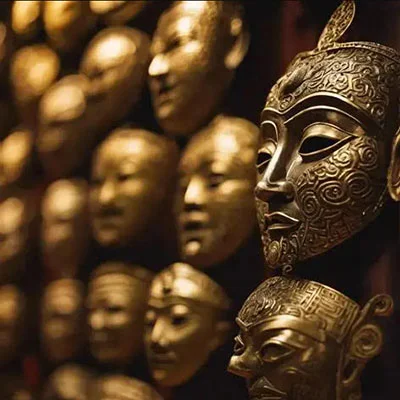
The archaeological world doesn't often get rocked by discoveries that fundamentally challenge long-held narratives. Yet, the Sanxingdui ruins in China's Sichuan province have a habit of doing just that. For decades, the initial 1986 finds—those colos
- 4-22
- 335
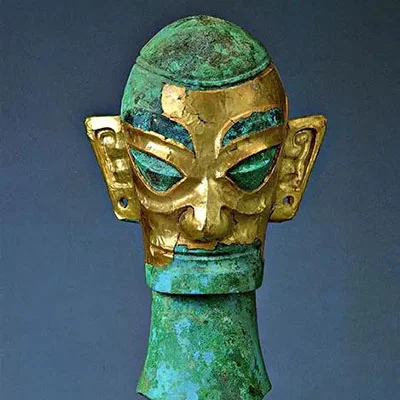
The Sichuan Basin, long shrouded in the mists of legend and spicy heat, has once again become the epicenter of an archaeological revolution. At a site known as Sanxingdui—"Three Star Mound"—near the city of Guanghan, teams of archaeologists are not m
- 3-8
- 490
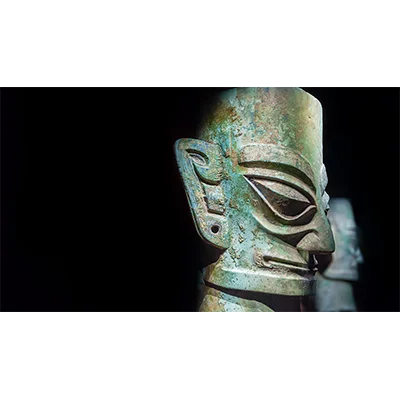
The Sanxingdui Museum, nestled in the heart of China's Sichuan province, is not merely a collection of artifacts; it is a portal to a lost world. Since the shocking archaeological discoveries of 1986 and the recent, breathtaking finds from 2019-2022,
- 3-6
- 379
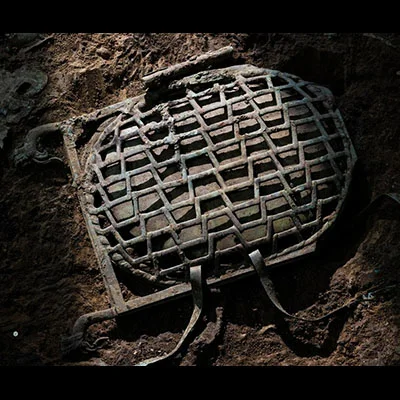
The very name Sanxingdui evokes a sense of profound mystery. It whispers of a lost kingdom, of bronze faces gazing at the stars, of a civilization so advanced and so artistically daring that it forces us to rewrite the narrative of ancient China. For
- 2-3
- 597
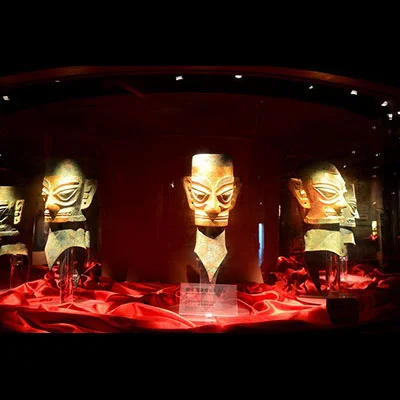
Forget everything you thought you knew about the cradle of Chinese civilization. Tucked away in the humid plains of Sichuan Province, far from the Yellow River’s familiar dynastic tales, lies an archaeological discovery so bizarre, so utterly alien,
- 2-1
- 402
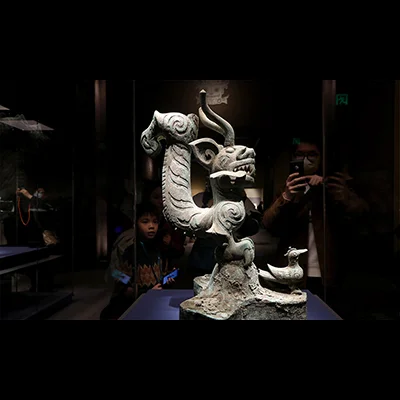
The silence within the sacrificial pits of Sanxingdui is deafening. It’s a silence that, for over three millennia, guarded one of the most startling archaeological discoveries of the modern age. Then, in 1986, the earth near Guanghan, Sichuan, gave u
- 1-26
- 361
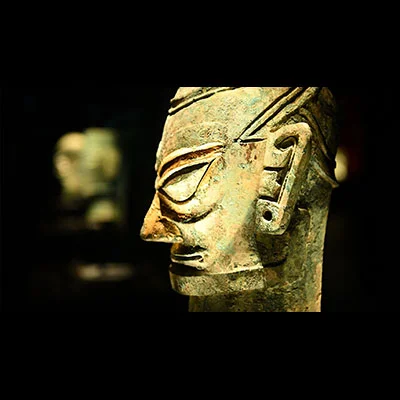
The story of Sanxingdui is not one of gradual discovery, but a series of seismic shocks that shattered our understanding of ancient Chinese civilization. For millennia, this enigmatic culture slept beneath the fertile soils of Sichuan's Chengdu Plain
- 1-13
- 550
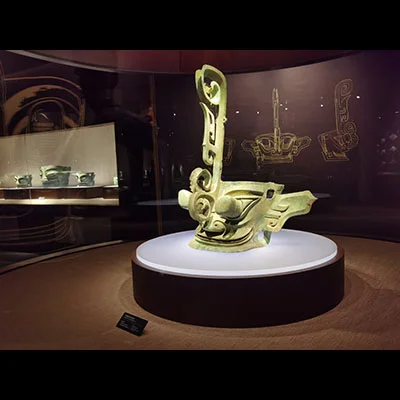
The dry, cracked earth of Sichuan Province’s Guanghan City holds secrets that are rewriting the narrative of early Chinese civilization. For decades, the Sanxingdui ruins have stood as one of Asia’s most profound archaeological mysteries, a site that
- 1-4
- 601
The story of Sanxingdui is not one of a single, dramatic excavation, but a slow, perplexing unraveling—a century-long archaeological detective story that has fundamentally rewritten the early history of China. For decades, the Yellow River Valley was
- 11-4
- 535
About Us

- Sophia Reed
- Welcome to my blog!
Hot Blog
- Sanxingdui Ruins News: Latest Archaeological Insights
- Sanxingdui Ruins News: Bronze and Jade Artifact Updates
- Sanxingdui Ruins Travel Tips: Transportation Options
- Understanding the Sanxingdui Location and Its Environment
- Sanxingdui Museum: Understanding Ancient Shu Civilization
- The Evolution of Sanxingdui Bronze Mask Art
- Sanxingdui Bronze Masks: Exploring Bronze Mask Styles
- Sanxingdui Gold & Jade: Key Artifact Analysis
- Sanxingdui Ruins Visitor Guide: Must-Know Tips
- Sanxingdui Ruins Preservation: Bronze, Gold, and Jade Care
Latest Blog
- Sanxingdui Gold & Jade: From Discovery to Cultural Legacy
- Dating Ancient Shu Civilization Artifacts at Sanxingdui
- Shu Civilization Ritual Sites Discovered at Sanxingdui
- The 1986 Sanxingdui Discovery That Shocked the World
- Sanxingdui Ruins: Bronze Mask Preservation Insights
- Sanxingdui Ruins and Worldwide Archaeological Collaboration
- Historical Context of the Sanxingdui Site
- Sanxingdui Museum: Navigating Ancient Pottery Collections
- Dating Ancient Shu Civilization with Sanxingdui Finds
- How an Accident Led to the Discovery of Sanxingdui
- Religion and Rituals at Sanxingdui Ruins
- Sanxingdui Bronze Masks: A Deep Dive into Ancient Art
- Sanxingdui Gold & Jade: Key Artifact Analysis
- Dating Faces, Masks, and Pit Objects at Sanxingdui
- Sanxingdui Dating & Analysis: Pit Findings and Ritual Craft
- Sanxingdui Unearthed: The Discovery That Stunned Historians
- Tracing Cultural Links Through Sanxingdui Pottery
- Timeline of Sanxingdui Excavations and Finds
- How to Find Sanxingdui Ruins Using GPS
- Sanxingdui Mysteries: Who Were the Ancient Shu?