Uncovering Sanxingdui: The Excavation That Redefined Ancient Chinese History
The excavation of the Sanxingdui Ruins began as a chance discovery but evolved into a groundbreaking archaeological project that changed our understanding of early Chinese civilization. Through decades of careful digging, documentation, and preservation, archaeologists have brought to light a lost world of craftsmanship, religion, and culture, offering a deeper look into the ingenuity of the Shu people and their place in human history.
Excavation
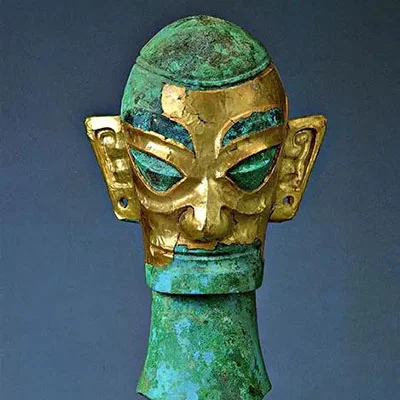
The Sanxingdui Ruins, located in Guanghan City, Sichuan Province, have long been one of the most enigmatic archaeological sites in the world. Since their accidental discovery in 1929 and the subsequent large-scale excavations beginning in 1986, the s
- 6-28
- 314
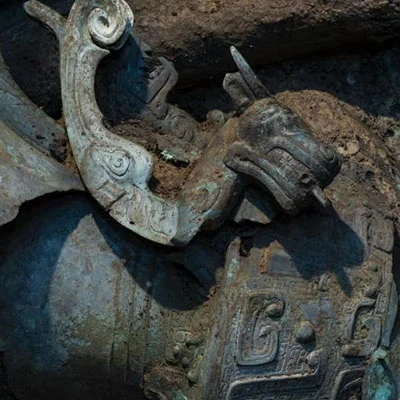
A Lost Civilization Emerges from the Dust In 1929, a farmer digging a well in the Sichuan basin of southwestern China stumbled upon a cache of jade artifacts. Little did he know that this chance discovery would eventually lead to one of the most bre
- 6-21
- 319
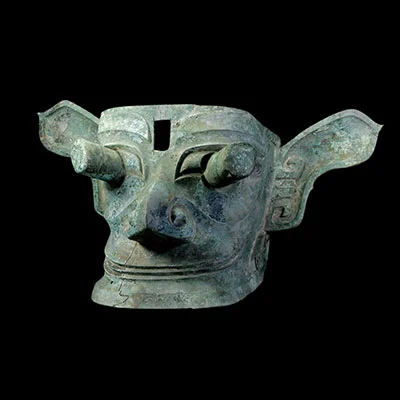
The Sanxingdui Ruins, located in Guanghan, Sichuan Province, have long been one of the most enigmatic archaeological sites in the world. Since their accidental discovery in 1929 and the major excavations beginning in 1986, these ruins have yielded an
- 6-20
- 284
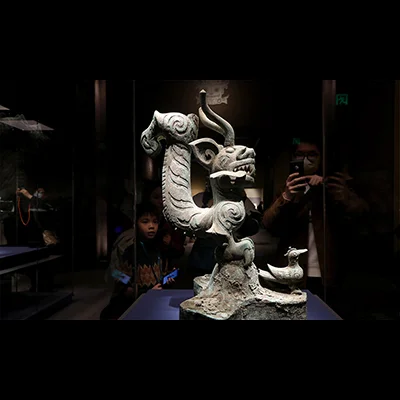
The soil of the Sichuan Basin has always been reluctant to give up its secrets easily. But when it does, the world stops to listen. In 1929, a farmer named Yan Daocheng was digging a well near the village of Sanxingdui in Guanghan, about 40 kilometer
- 6-10
- 428
The soil of the Guanghan Plain in Sichuan, China, has long held secrets that defy conventional historical narratives. For decades, the Sanxingdui Ruins have stood as one of the most enigmatic archaeological sites in the world—a Bronze Age civilizatio
- 6-2
- 413
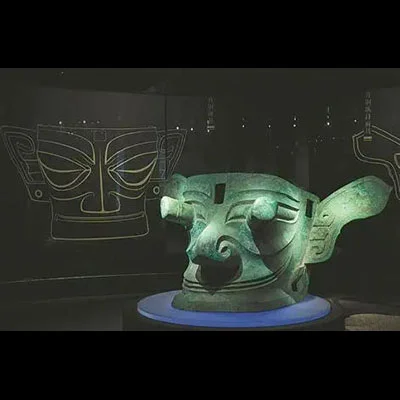
The Sanxingdui Ruins, buried for over 3,000 years in the fertile plains of Sichuan, China, have become one of the most electrifying archaeological discoveries of the 20th and 21st centuries. First stumbled upon by a farmer digging a well in 1929, the
- 5-31
- 408
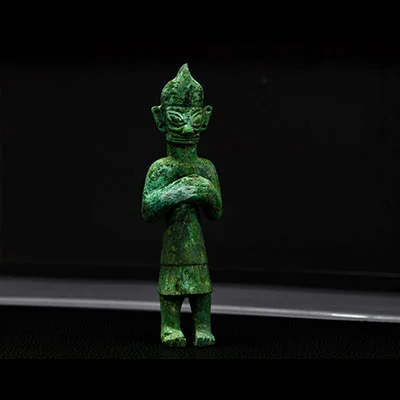
The Bronze Age civilization that flourished in the Sanxingdui region of Sichuan, China, has captivated archaeologists, historians, and the global public since its accidental discovery in 1929. But it was the monumental excavations of the 1980s—and th
- 5-30
- 399
The Buried Kingdom That Rewrote Chinese History In 1929, a farmer in Sichuan Province accidentally struck something hard while digging a well. What he uncovered was not a rock but a jade artifact—a fragment of a civilization so alien, so technologic
- 5-22
- 392
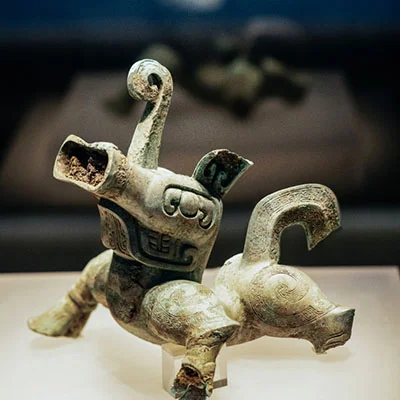
The story of Chinese archaeology is often told through the familiar narratives of the Yellow River Valley—the majestic Shang dynasty bronzes, the oracle bone inscriptions, the royal tombs. But in the spring of 1986, in a quiet corner of Sichuan Provi
- 4-22
- 291
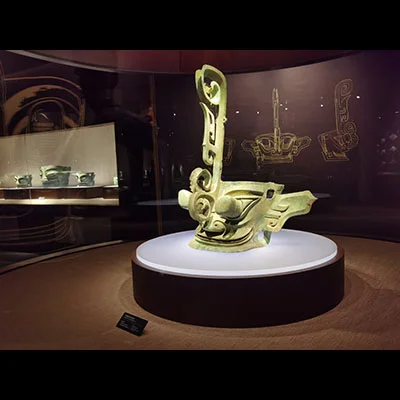
For nearly a century, the Sanxingdui ruins in China's Sichuan Basin have whispered secrets of a lost kingdom. Since the first dramatic pit discovery in 1986, each new excavation—most notably the stunning finds from 2019-2022 in Pits No. 3 through No.
- 4-21
- 321
About Us

- Sophia Reed
- Welcome to my blog!
Hot Blog
- Sanxingdui Ruins News: Latest Archaeological Insights
- Sanxingdui Ruins Travel Tips: Transportation Options
- Understanding the Sanxingdui Location and Its Environment
- Sanxingdui Museum: Understanding Ancient Shu Civilization
- The Evolution of Sanxingdui Bronze Mask Art
- Sanxingdui Bronze Masks: Exploring Bronze Mask Styles
- Sanxingdui Gold & Jade: Key Artifact Analysis
- Sanxingdui Ruins Visitor Guide: Must-Know Tips
- Sanxingdui Gold & Jade: From Discovery to Cultural Legacy
- How to Find Sanxingdui Ruins Using GPS
Latest Blog
- Sanxingdui Gold & Jade: From Discovery to Cultural Legacy
- Dating Ancient Shu Civilization Artifacts at Sanxingdui
- Shu Civilization Ritual Sites Discovered at Sanxingdui
- The 1986 Sanxingdui Discovery That Shocked the World
- Sanxingdui Ruins: Bronze Mask Preservation Insights
- Sanxingdui Ruins and Worldwide Archaeological Collaboration
- Historical Context of the Sanxingdui Site
- Sanxingdui Museum: Navigating Ancient Pottery Collections
- Dating Ancient Shu Civilization with Sanxingdui Finds
- How an Accident Led to the Discovery of Sanxingdui
- Religion and Rituals at Sanxingdui Ruins
- Sanxingdui Bronze Masks: A Deep Dive into Ancient Art
- Sanxingdui Gold & Jade: Key Artifact Analysis
- Dating Faces, Masks, and Pit Objects at Sanxingdui
- Sanxingdui Dating & Analysis: Pit Findings and Ritual Craft
- Sanxingdui Unearthed: The Discovery That Stunned Historians
- Tracing Cultural Links Through Sanxingdui Pottery
- Timeline of Sanxingdui Excavations and Finds
- How to Find Sanxingdui Ruins Using GPS
- Sanxingdui Mysteries: Who Were the Ancient Shu?