Recently updated blog
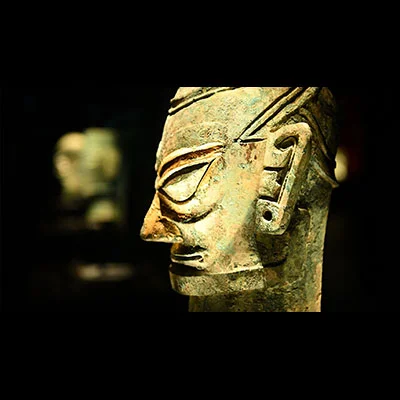
The rhythmic clatter of mahjong tiles in a Chengdu teahouse, the intoxicating scent of mapo tofu wafting through a bustling alley—this is the vibrant, living culture of Sichuan’s capital. But just 40 kilometers north, buried for millennia beneath the
- 1-15
- 3
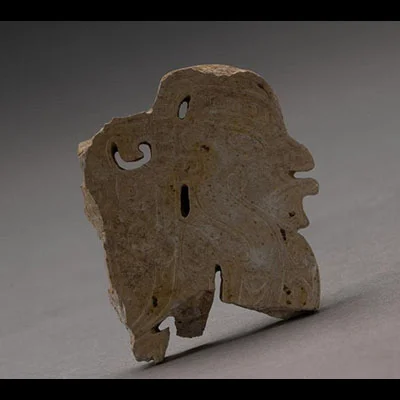
The story of Chinese civilization, as traditionally told, flowed steadily like the Yellow River: from the legendary Xia Dynasty to the Shang with their oracle bones in Anyang, and onward in a linear, centralized narrative. Then, in a quiet corner of
- 1-15
- 4
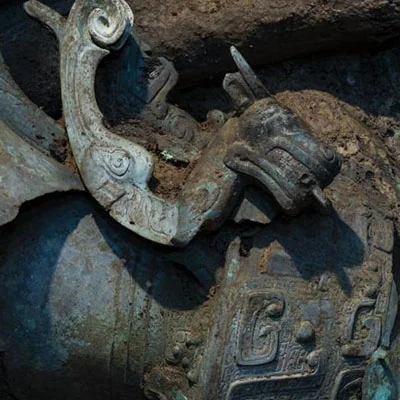
The story of Sanxingdui is not one of gradual revelation, but of seismic shocks. It is a narrative that fundamentally rewrote the early history of China, challenging the long-held doctrine of the Yellow River as the sole cradle of Chinese civilizatio
- 1-15
- 6
The story of Chinese archaeology is often a linear narrative, a grand procession from the dynastic courts of the Yellow River. Then, in 1986, a silent scream from the Sichuan Basin shattered that story. Farmers digging clay unearthed not just artifac
- 1-14
- 5
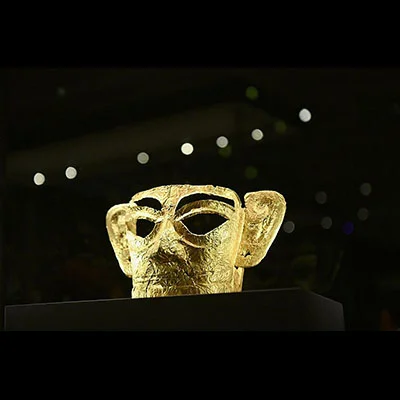
The recent, breathtaking discoveries at Sanxingdui have sent shockwaves through the archaeological world and captured the global imagination. Golden masks with eagle-like features, towering bronze trees reaching for the heavens, and enigmatic sculptu
- 1-14
- 5
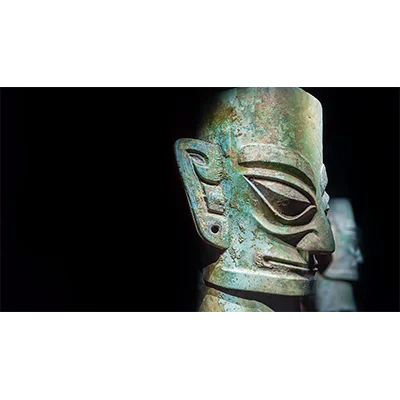
The archaeological world was forever changed in 1986 when, in a quiet corner of China’s Sichuan Basin, workers stumbled upon two sacrificial pits overflowing with artifacts so bizarre and magnificent they seemed to belong to another world. This was t
- 1-14
- 5
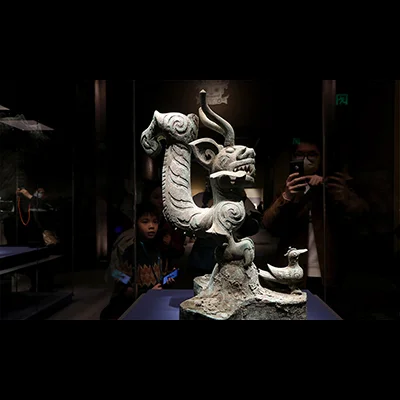
The story of Chinese archaeology was irrevocably altered in the summer of 1986. In a quiet corner of Sichuan Province, near the modern city of Guanghan, local workers made discoveries that would shatter long-held narratives about the origins of Chine
- 1-14
- 5
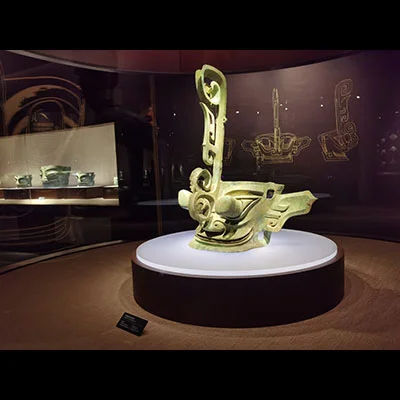
In the quiet countryside of Guanghan, Sichuan, a discovery in 1986 shattered our understanding of ancient China. The Sanxingdui ruins, with their bizarre, larger-than-life bronze masks, towering sacred trees, and enigmatic figurines, are not merely a
- 1-14
- 6
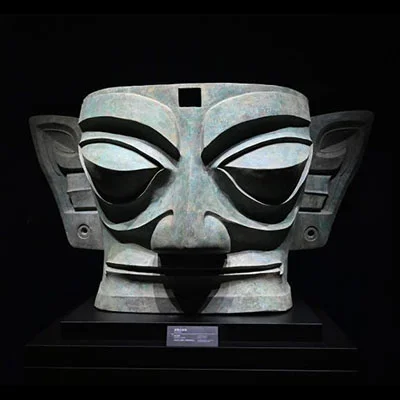
The story of human civilization is often told through the well-trodden paths of the Nile, the Indus, the Yellow River. Then, in 1986, a discovery in a quiet corner of Sichuan Province, China, irrevocably rewrote the narrative. The Sanxingdui Ruins, w
- 1-14
- 9
In the quiet countryside of Guanghan, Sichuan Province, a discovery was made that would irrevocably shatter our understanding of ancient Chinese civilization. For decades, the narrative of China’s Bronze Age was dominated by the orderly, ritualistic
- 1-14
- 8
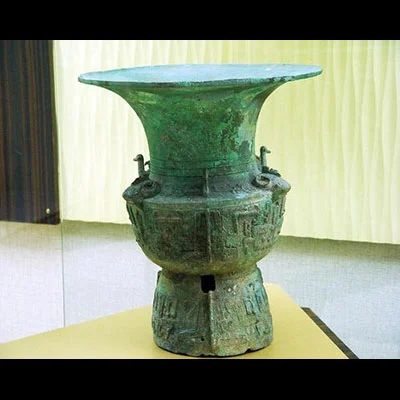
In the quiet countryside of Guanghan, Sichuan Province, a discovery in 1986 shattered our understanding of ancient Chinese civilization. Farmers digging a clay pit stumbled upon a cache of artifacts so bizarre, so technologically sophisticated, and s
- 1-14
- 6
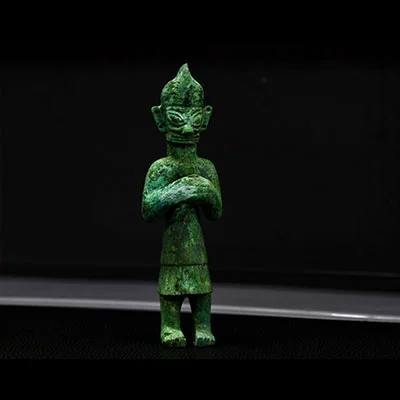
The recent archaeological revelations at Sanxingdui have sent shockwaves through the historical community and ignited the imaginations of travelers worldwide. Located near Guanghan in China's Sichuan province, this site, often dubbed "China's Machu P
- 1-13
- 8
The discovery of the Sanxingdui ruins is not a single event but an ongoing conversation with a lost civilization. For archaeology buffs, historians, and the culturally curious, following the developments at Sanxingdui is a thrilling journey. This cal
- 1-13
- 9
The recent archaeological revelations at Sanxingdui have not merely rewritten chapters of Chinese history; they have hurled an entire, breathtaking library of ancient Shu civilization into the present day. Each delicate fragment of bronze, each slive
- 1-13
- 8
The Sanxingdui Ruins are not merely an archaeological site; they are a portal. Nestled near the city of Guanghan in China's Sichuan province, this groundbreaking discovery shattered long-held narratives about the cradle of Chinese civilization. For t
- 1-13
- 9
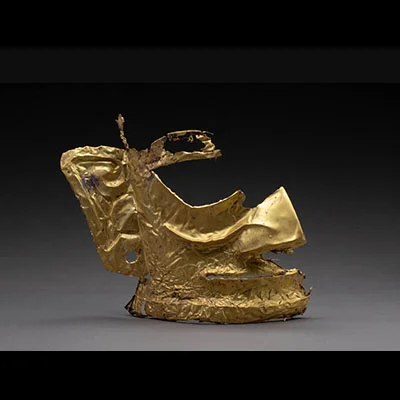
The world of archaeology is rarely shaken by discoveries that completely overturn long-held narratives. Yet, the ongoing excavations at Sanxingdui, nestled in China's Sichuan Basin, have done precisely that. This is not merely a dig site; it's a port
- 1-13
- 8
The story of human archaeology is often one of gradual revelation, where each shard of pottery or foundation stone patiently adds to a known historical narrative. But every once in a while, a discovery shatters the very framework of our understanding
- 1-13
- 9
The story of Sanxingdui is not one of gradual discovery, but a series of seismic shocks that shattered our understanding of ancient Chinese civilization. For millennia, this enigmatic culture slept beneath the fertile soils of Sichuan's Chengdu Plain
- 1-13
- 8
The story of Chinese archaeology, for much of the 20th century, was a narrative tightly woven around the Central Plains—the Yellow River, the Xia, Shang, and Zhou dynasties, and the written oracle bones that chronicled their lineage. It was a story o
- 1-13
- 9
The story of human civilization is often a linear narrative, a gradual progression charted across familiar landscapes. Then, a discovery like Sanxingdui erupts, shattering timelines and expectations. In the quiet Sichuan Basin, far from the tradition
- 1-12
- 9
About Us

- Sophia Reed
- Welcome to my blog!
Hot Blog
- Sanxingdui and Ancient Sichuan Trade Networks
- Sanxingdui and the Ancient Shu Kingdom Connection
- Sanxingdui Ruins Timeline: Tracing Ancient Shu Civilization
- Visiting Sanxingdui Museum: Tips for Tourists
- Exploring the Location of Sanxingdui Archaeological Site
- Sanxingdui Ruins: Lessons for Global Archaeology
- Sanxingdui Ruins News: Upcoming Museum Exhibits
- Timeline of Sanxingdui Cultural and Historical Discoveries
- Sanxingdui Religious Practices and Cultural Insights
- Shu Civilization and Ancient Religious Practices at Sanxingdui